
Related Articles
- When Ancient Trade Routes Resurface: Unexpected Lessons for Modern Commerce and Global Economic Resilience
- When Artifacts Become Currencies: The Intriguing Trade Between Antiquities and Emerging Markets
- Beyond Borders: Unconventional Partnerships Transforming Trade Strategies in the Age of Globalization
- The Rise of Shadow Economies: How Informal Trade Networks are Disrupting Global Market Structures
- Cryptocurrency and Society: Understanding the Hidden Costs of Digital Assets on Community Well-Being
- The Surprising Role of Cultural Narratives in Shaping Investment Choices and Financial Preferences
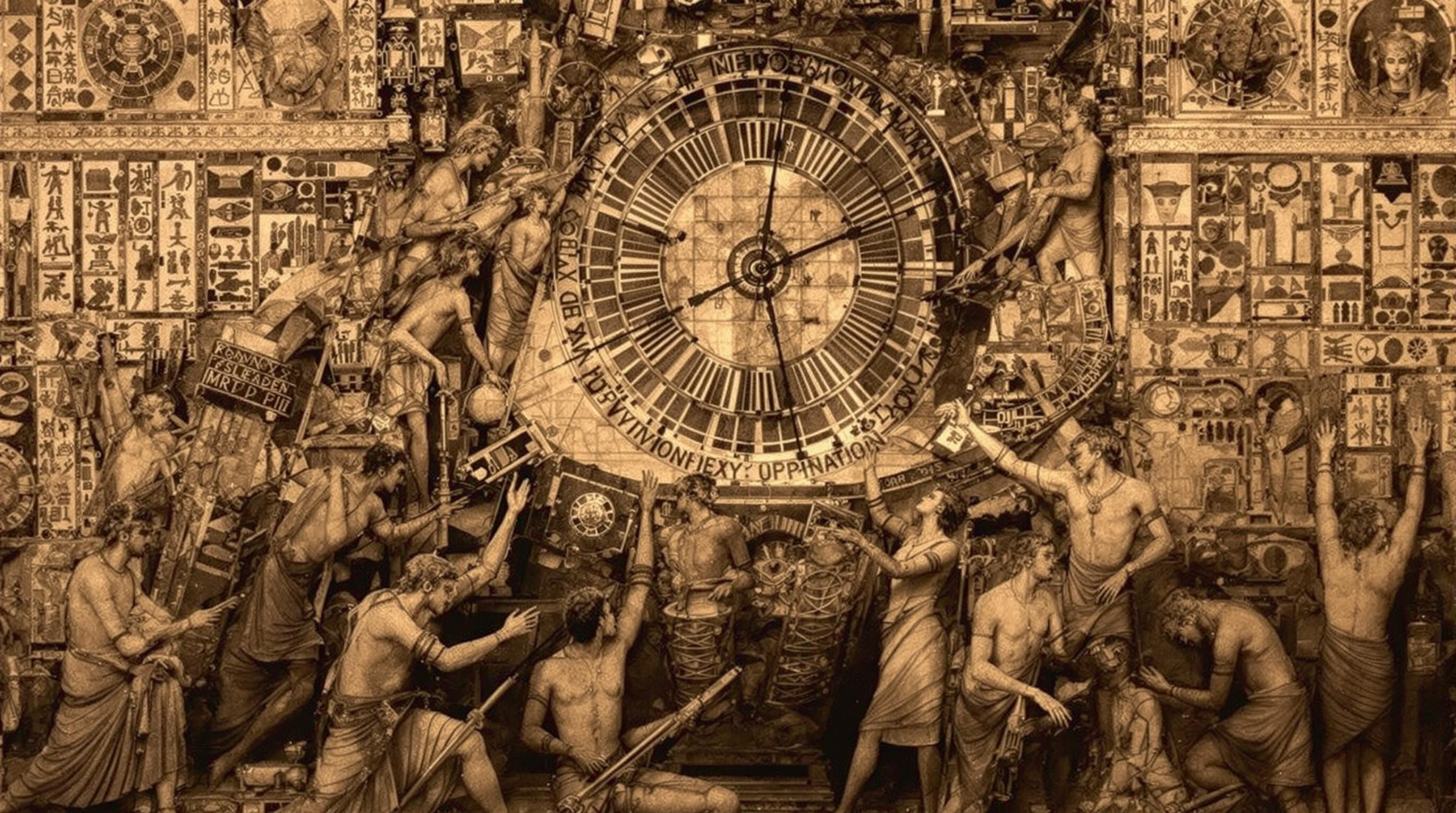
9 Surprising Financial Management Lessons from Ancient Civilizations to Boost Your Modern Investment and Savings Practices
9 Surprising Financial Management Lessons from Ancient Civilizations to Boost Your Modern Investment and Savings Practices
9 Surprising Financial Management Lessons from Ancient Civilizations to Boost Your Modern Investment and Savings Practices
1. The Importance of Diversification: Ancient Mesopotamia
The ancient Mesopotamians, often referred to as the cradle of civilization, understood the significance of diversification in their economic practices. They cultivated a variety of crops, including barley and wheat, which helped to mitigate risks associated with crop failure. This principle of not putting all your eggs in one basket can be applied to modern investment strategies.
In modern finance, diversification is key to shielding investments from market fluctuations. By spreading investments across different asset classes, such as stocks, bonds, and real estate, investors can reduce potential losses. The Mesopotamian model reminds contemporary investors that balancing their portfolios can lead to more stable financial outcomes.
Additionally, diversification extends to investment in different geographical regions and industries. Just as the Mesopotamians traded for goods and resources beyond their borders, today’s investors should consider global markets to enhance their financial stability.
2. Record-Keeping: The Egyptians’ Hieroglyphics
Ancient Egyptians meticulously documented their financial transactions using hieroglyphics, a practice that underscores the importance of record-keeping. This systematic approach to financial management allowed them to track resources, manage taxes, and maintain economic stability. In today’s world, accurate record-keeping is equally vital for personal and business finances.
By keeping detailed records of income, expenditures, and investments, individuals can gain insights into their financial habits, identify trends, and make informed decisions. Modern software tools provide easy solutions for keeping financial records, reminiscent of the meticulous approach of the Egyptians.
Moreover, retaining records helps in preparing for taxes and future audits. Just as the Egyptians anticipated the economic needs of their society, modern individuals who manage their finances carefully can better prepare for unexpected expenses or changes in income.
3. The Value of Saving: The Spartan Economy
The Spartans were known for their austere lifestyle and emphasis on saving resources. In a society that valued simplicity and sustainability, the Spartans prioritized saving over frivolous spending, a lesson that remains relevant in today's consumer-driven economy. Their mindset emphasizes the importance of building a financial cushion for emergencies.
Modern financial advisors often recommend saving at least three to six months’ worth of living expenses as a buffer against unforeseen events. This Spartan approach to saving fosters a mindset of preparedness and resilience, echoing the lessons of delayed gratification and resource management.
By adopting the Spartan ethos of frugality, individuals can allocate more funds to investments rather than unnecessary luxuries, leading to long-term financial health. The discipline of saving cultivated by the Spartans can inspire contemporary individuals to reevaluate their spending habits.
4. Community Financial Systems: The Roman Empire
The Roman Empire thrived on a network of communal financial agreements and investments. Public works were often funded through collective investment, demonstrating the power of community-oriented financial strategies. The Romans understood that pooling resources could lead to more significant opportunities and benefits for all involved.
In today's context, community investing and crowdfunding platforms capitalize on this ancient principle, allowing individuals to invest collaboratively in new ventures. This concept fosters a sense of solidarity and shared responsibility, particularly in entrepreneurial settings.
The Romans also valued transparency in their transactions, which is vital in modern investing. Just as they established clear agreements for communal investments, today’s investors can benefit from open communication and documentation when engaging in partnerships or joint ventures.
5. The Concept of Debt and Credit: Ancient Babylonia
In Ancient Babylonia, the use of debt was not only common but also strategically important for economic growth. Records show that Babylonians used loans to finance agricultural projects and trade, demonstrating that debt could be a tool for expansion rather than merely a burden. Understanding these dynamics offers modern investors a nuanced perspective on leveraging debt.
Today, debt remains a topic of heated debate. However, when used wisely, debt can facilitate investments that lead to wealth accumulation. By learning from Babylonian practices, individuals can approach credit with caution and purpose, ensuring that they borrow to invest rather than overspend.
Moreover, the Babylonians instituted regulations regarding interest rates, highlighting the need for responsible borrowing and lending. Modern investors can take a cue from this practice by being mindful of interest costs and seeking favorable borrowing conditions to sustain their financial health.
6. Economic Planning: The Aztecs’ Tribute System
The Aztec civilization used a tribute system to manage resources effectively and redistribute wealth among their city-states. This system involved annual payments in the form of goods and services, illustrating the necessity of economic planning and resource allocation for societal stability. Today, effective financial management hinges on similar principles of allocation and planning.
Modern individuals can apply this lesson by setting aside portions of their income for specific goals, such as retirement, investments, or emergency funds. By creating a structured plan for resource distribution, individuals increase their chances of reaching financial stability and achieving their goals.
Moreover, the Aztec tribute system underscores the importance of collective responsibility in economic practices. Today’s best financial outcomes often result from collaborative financial planning and teamwork, whether through family budgeting or community investment initiatives.
7. Bartering: The Early Roman Economy
The early Roman economy heavily relied on bartering before transitioning to currency-based trade. This system allowed individuals to exchange goods and services based on mutual needs, which underscores the principle of value assessment. In modern financial management, understanding the concept of value can help individuals negotiate better deals and investments.
In today's economy, the art of negotiation is crucial. Individuals who understand the value of their skills and products can leverage this during discussions to secure better financial outcomes. Whether negotiating salaries or investment returns, bartering’s foundational ideas still resonate.
Additionally, the modern gig economy reflects elements of bartering, where individuals exchange services for other services or goods, demonstrating that flexibility in financial transactions can lead to innovative solutions. Embracing this mindset enables individuals to tap into new opportunities for income generation.
8. Investment in Education: The Ancient Greeks
The Greeks placed immense value on education and knowledge as essential components of a thriving economy. Their belief that educated citizens contribute to societal prosperity is an important lesson for modern financial management. Investing in education leads to better career opportunities, which can enhance earning potential and financial growth.
Today’s individuals should prioritize continuous learning and skill development to stay competitive in their respective fields. Whether through formal degrees, certifications, or self-directed learning, investing in education pays dividends in the long run, echoing the timeless wisdom of the Greeks.
The Greeks also established institutions like the Lyceum to foster discourse and knowledge sharing, reflecting the value of collaboration in education. Modern professionals can similarly benefit from networking and exchanging ideas with others in their fields, further enhancing their investment in personal growth.
9. Ethical Financial Practices: The Codes of Hammurabi
The Code of Hammurabi, one of the earliest sets of written laws, included regulations on fair trade and debt responsibilities. This ancient legal framework promoted ethical financial conduct, ensuring that individuals were held accountable for their financial dealings. Today, maintaining ethical practices is crucial for sustainable financial success.
Modern investors must adhere to ethical standards to build trust with clients, partners, and stakeholders. Transparency and honesty in transactions not only promote a positive reputation but also contribute to long-term success in financial management.
Furthermore, the concept of ethical finance is gaining traction in contemporary discussions about sustainable investments. The enduring principles found in Hammurabi's code encourage today’s investors to engage in practices that benefit society while creating wealth, proving that ethical behavior can align with financial prosperity.
Read More