Related Articles
- When Ancient Trade Routes Resurface: Unexpected Lessons for Modern Commerce and Global Economic Resilience
- When Artifacts Become Currencies: The Intriguing Trade Between Antiquities and Emerging Markets
- Beyond Borders: Unconventional Partnerships Transforming Trade Strategies in the Age of Globalization
- The Rise of Shadow Economies: How Informal Trade Networks are Disrupting Global Market Structures
- Cryptocurrency and Society: Understanding the Hidden Costs of Digital Assets on Community Well-Being
- The Surprising Role of Cultural Narratives in Shaping Investment Choices and Financial Preferences
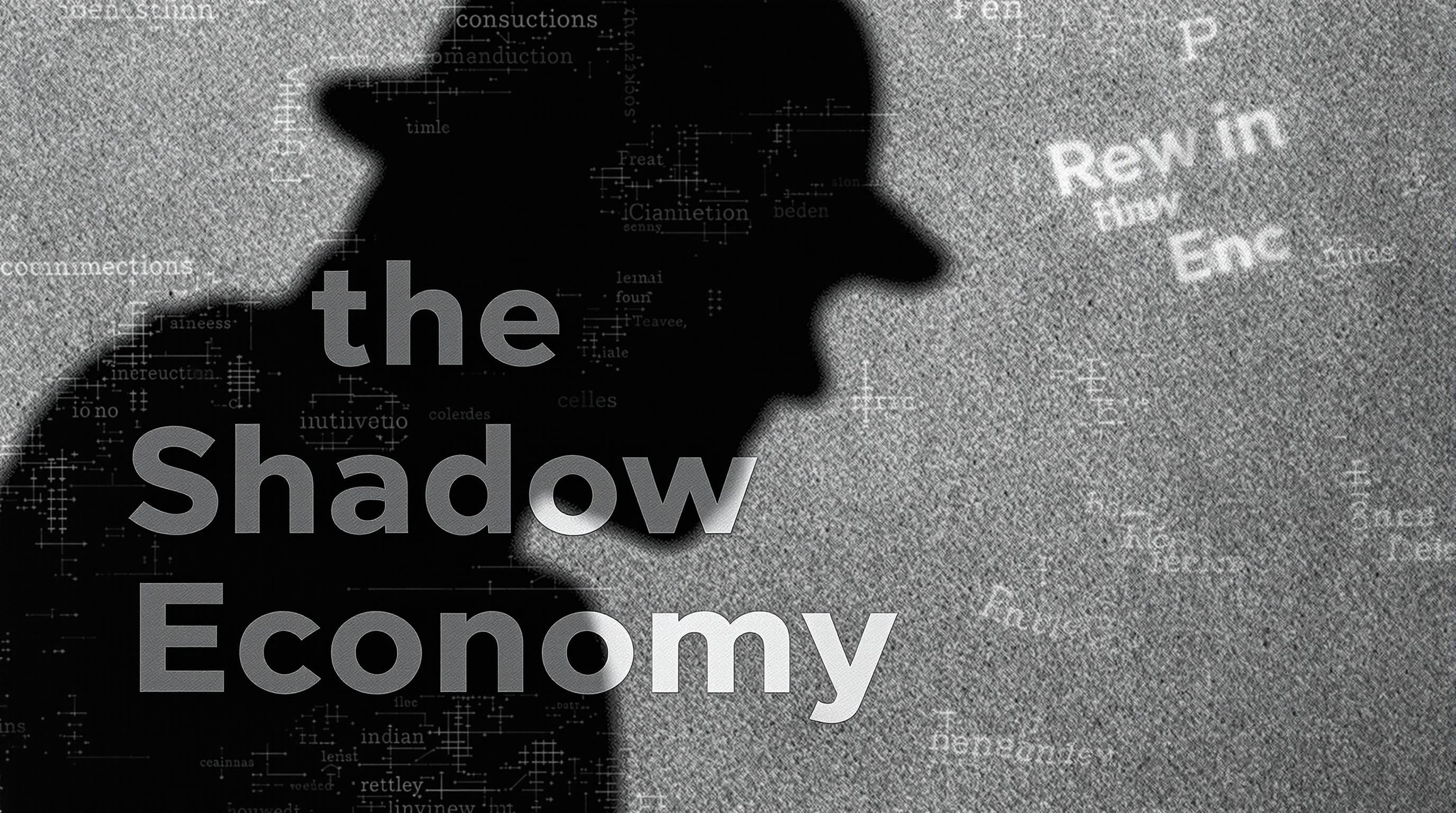
Navigating the Shadow Economy: Unconventional Strategies for Financial Survival and Growth
Navigating the Shadow Economy: Unconventional Strategies for Financial Survival and Growth
The shadow economy presents both challenges and opportunities for those willing to navigate its intricacies. This article explores unconventional strategies for financial survival and growth within this hidden realm, providing insights and inspiration for readers of all ages.
Understanding the Shadow Economy
Imagine a bustling marketplace where the rules are unwritten and the currency is often not the dollar but rather a handshake and mutual trust. The shadow economy, often inaccurately perceived as solely illegal activities, encompasses a wide array of unregulated and informal economic activities that exist outside governmental oversight and taxation. In fact, according to the International Labour Organization, about 61% of workers globally are engaged in some form of the informal economy, which highlights just how vast this realm is (ILO, 2021).
Statistics That Matter
Consider this: The shadow economy can account for up to 30% of GDP in developing countries, while in high-income countries, this figure hovers around 10% (Schneider & Enste, 2000). This disparity reflects the varied role of informal sectors in different economies; for many, participation in the shadow economy is not a choice but a necessity driven by circumstances, especially in regions with high unemployment rates.
Case Study: A Cautionary Tale
Meet Michael, a 34-year-old craft brewer from Portland, Oregon. Michael started his business in a legal vacuum, operating under the radar to avoid licensing fees. Initially, the profits were encouraging, but a lack of compliance led to brushes with law enforcement that resulted in hefty fines and business interruption. Michael’s experience underscores a crucial lesson: while the shadow economy might seem lucrative, the risk of legal repercussions can drastically reduce long-term profitability.
The Silver Lining
However, let’s flip the coin. Not all shadow economy activities are criminal or devoid of ethical considerations. For instance, the gig economy—freelancers, ride-share drivers, and online tutors—often operates in a gray area. A 2020 study suggests that nearly 36% of U.S. workers engaged in some form of gig work, a statistic that has only increased during the pandemic (Pew Research Center, 2021). This avenue provides a flexible option for financial survival, especially for younger generations seeking work-life balance.
Creative Ventures
Forging a path in the shadow economy often requires a bit of creativity. If you find yourself in need of cash, consider starting a microbusiness, such as baking custom cakes or offering tutoring services. As long as you comply with local health guidelines and maintain transparency with your clients, such ventures can be both lucrative and fulfilling.
Networking: Leveraging Informal Connections
Networking is one of the most powerful tools in the shadow economy arsenal. In many scenarios, personal connections lead to opportunities that traditional job-seeking methods cannot provide. Attend local meetups, farmer's markets, or art fairs, and engage with your community. You never know when a simple conversation could blossom into a business partnership or a new client.
Micro-Entrepreneurship: A Modern Solution
In today’s economy, micro-entrepreneurship is blossoming. This approach allows individuals to engage in informal work while sidestepping significant overhead costs. Consider platforms like Etsy or Fiverr to sell handmade crafts or freelance services. Recent stats show that nearly 1 in 3 businesses in the U.S. are home-based, highlighting this shift towards smaller, independently-operated ventures. They aren't just thriving; they're redefining what it means to have a career (U.S. Small Business Administration, 2020).
The Power of Digital Currency
Another unconventional path worth exploring is cryptocurrency. With the rise of decentralized finance (DeFi), individuals have more ways than ever to engage financially outside traditional banking systems. According to Chainalysis, about 106 million people worldwide held cryptocurrency in 2021, reflecting a growing acceptance of this digital currency. While navigating the world of crypto can be complex, it offers opportunities for innovative and alternative financial strategies.
Doing Business Under the Radar
For those willing to embrace it, operating a “business under the radar” can yield substantial rewards. Think of street performers, for example. They can earn a decent living without fixed location leases or operating licenses. The key here is to engage with your audience authentically, providing value and a memorable experience, all while keeping your operations simple and budget-friendly.
The Art of Bartering
In the shadow economy, bartering can be a legitimate form of transaction. If you're a skilled artisan or an individual with a unique service, consider swapping your craft for another service. Need website design? Trade your homemade candles! In a time where cash is tight, bartering can be a game-changer.
Legal Considerations: Treading Carefully
It’s essential to note that engaging in shadow economy activities can be risky without a clear understanding of local laws and regulations. Depending on your country, certain informal activities may have tax implications or require permits. As you explore opportunities, consider consulting with a legal expert or a small business council to avoid potential pitfalls.
Conclusion: Seek and You Shall Find
Navigating the shadow economy requires perseverance, creativity, and a willingness to explore uncharted territories. Do not shy away from informal networks; they might lead to unexpected financial opportunities. Keep in mind the risks involved and strive for ethical practices that can pave the way for long-term success. Whether you’re 16 or 70, the potential for growth and financial sustenance in the shadow economy is boundless if you are agile and informed.
A Word of Wisdom
As the great philosopher Robert Frost once said, “In three words I can sum up everything I've learned about life: it goes on.” The shadow economy may be fraught with challenges, but it also offers unmatched flexibility and innovation. Embrace the adventure of financial survival and growth, and who knows? You might just find your niche in the shadows.
Whether you're crafting artisanal goods or providing freelance services, the world of the shadow economy awaits—may you tread wisely and prosper. Happy navigating!
Read More