Related Articles
- When Ancient Trade Routes Resurface: Unexpected Lessons for Modern Commerce and Global Economic Resilience
- When Artifacts Become Currencies: The Intriguing Trade Between Antiquities and Emerging Markets
- Beyond Borders: Unconventional Partnerships Transforming Trade Strategies in the Age of Globalization
- The Rise of Shadow Economies: How Informal Trade Networks are Disrupting Global Market Structures
- Cryptocurrency and Society: Understanding the Hidden Costs of Digital Assets on Community Well-Being
- The Surprising Role of Cultural Narratives in Shaping Investment Choices and Financial Preferences
7 Unseen Leadership Skills from Urban Art Movements That Can Inspire Team Innovation and Create Impactful Change
7 Unseen Leadership Skills from Urban Art Movements That Can Inspire Team Innovation and Create Impactful Change
7 Unseen Leadership Skills from Urban Art Movements That Can Inspire Team Innovation and Create Impactful Change
Introduction to Urban Art and Leadership
Urban art movements, once relegated to the fringes of traditional art circles, have evolved to become vibrant expressions of culture, activism, and community. These movements present a unique, organic approach to leadership that can inspire teams to foster innovation and create impactful change. By examining the tenets of urban art, we can extract valuable lessons applicable to modern leadership.
The essence of urban art lies in its ability to communicate messages and emotions, urging communities to reflect and engage in social dialogues. The collaborative nature of street art encourages individuals to come together to craft artistic expressions that resonate deeply within their environments. This cooperative spirit is crucial for leaders aiming to spark innovation within their teams.
In this article, we’ll explore seven unseen leadership skills derived from urban art movements that can inspire teams to innovate and foster impactful changes in their organizations.
1. Creative Collaboration
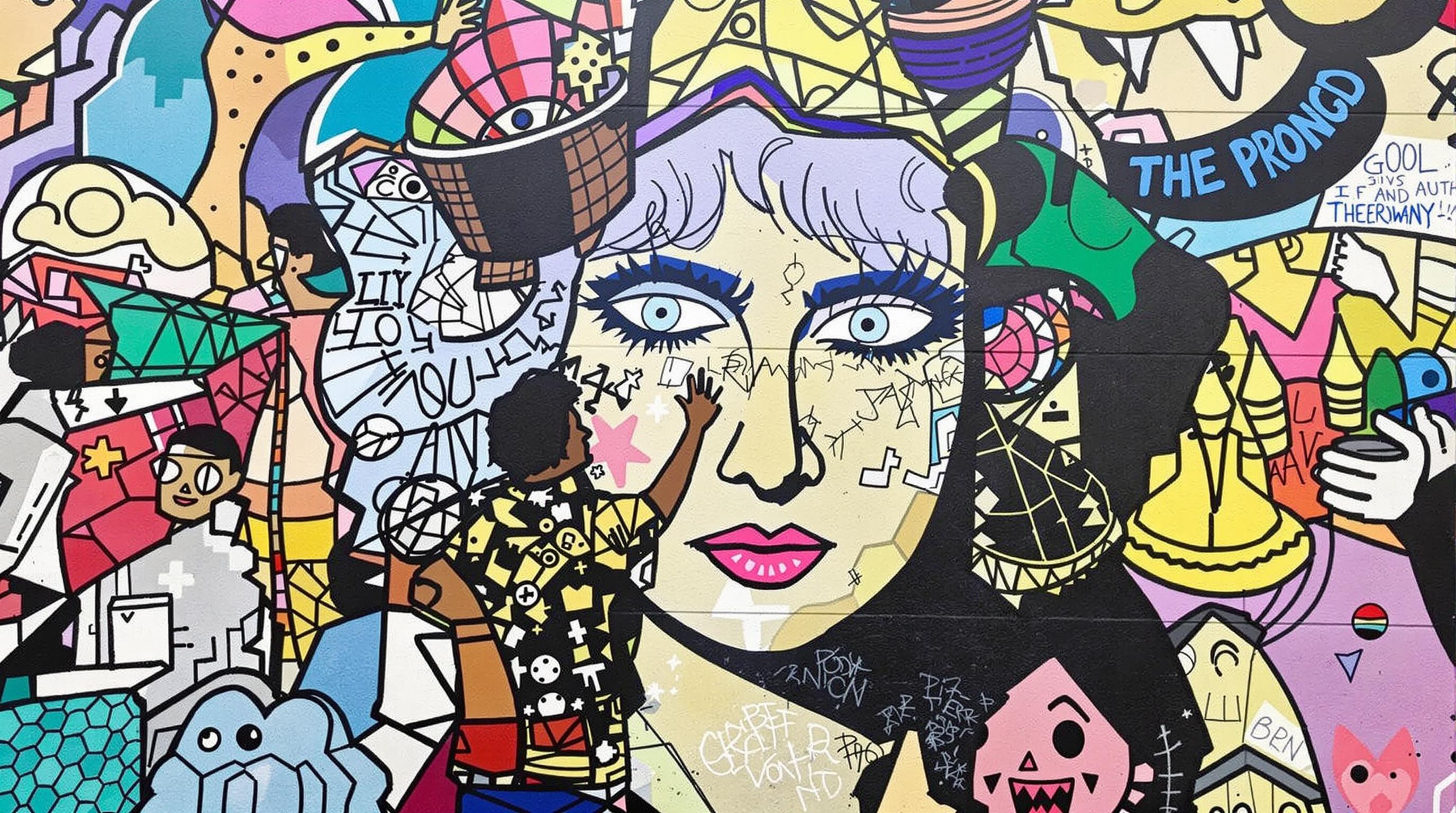
Urban art thrives on collaboration, often involving various artists, grade of creativity, and community input. Leaders can draw inspiration from this model by encouraging their teams to actively participate in brainstorming and ideation sessions, allowing for the fusion of diverse perspectives. Like murals that blend multiple styles, organizations can become more innovative through collaborative creativity.
Facilitating collaboration within teams can not only enhance idea generation but also promote a sense of ownership among team members. When individuals see their contributions reflected in a shared project, their commitment and motivation to the team can significantly increase. This synergy often leads to breakthroughs that can propel organizations forward.
Urban art’s impact on the community showcases how collaboration goes beyond merely aesthetic goals; it can drive social change. Leaders can draw parallels with their missions, using collective ideas to push for innovative practices that respond to the needs of their organization and the broader society.
2. Adaptive Resilience
Urban art often arises in challenging environments, adapting to change beyond the artists' control. Street artists frequently encounter obstacles such as censorship or the transient nature of their work being painted over. This resilience can serve as a powerful leadership lesson, emphasizing the importance of adapting to unexpected challenges and maintaining vision despite setbacks.
Leaders who embody adaptive resilience can better guide their teams through turbulent times. They encourage flexibility in problem-solving, allowing the team to pivot strategies and approaches when initial plans fail or become unfeasible. Here, the ability to embrace change becomes a crucial attribute for inspiring innovation.
Incorporating resilience into a team’s culture prepares members to encounter and overcome difficulties collectively. Leaders can cultivate this spirit by framing challenges as opportunities for growth, much like urban artists who view fleeting moments as chances to create engaging narratives through their work.
3. Bold Risk-Taking
Creating urban art often involves taking bold risks, whether it’s experimenting with new techniques or tackling controversial themes. Leaders can learn to embrace risk-taking by motivating their teams to step outside their comfort zones, explore new ideas, and experiment with untested methods.
Encouraging risk-taking can lead to innovative solutions that might not surface through conventional thinking. Leaders who applaud boldness not only foster creativity but also signal to their teams that failure is an acceptable part of the innovation process. Hence, risk-taking becomes a cornerstone of a dynamic team environment.
Urban artists frequently face backlash for their daring choices, yet they persist in pushing boundaries to provoke thought and inspire action. Leaders can harness similar tenacity within their teams, positioning daring explorations as integral elements of their mission to drive change.
4. Authentic Expression
Urban art is distinguished by its authenticity, with artists sharing personal stories and opinions through their creations. This mirrors the need for authenticity in leadership; leaders who communicate transparently and genuinely foster trust and respect within their teams. Such environments encourage team members to express their ideas without fear of judgment.
Leadership rooted in authentic expression inspires creativity and innovation. When leaders allow their personalities to shine throughout their decision-making process, it creates a more human-centered workplace. Team members are more likely to engage actively when they feel their contributions align with a genuine mission.
By valuing authenticity, leaders cultivate a sense of belonging that results in higher morale and commitment. When everyone in the team feels valued and recognized for their true selves, they are more likely to contribute innovative ideas and strategies that drive impactful change.
5. Community Engagement
Urban art is often deeply rooted in community. Artists frequently collaborate with local residents, responding to their needs, values, and aspirations through their work. Leaders can learn from this approach by actively engaging with their teams, understanding their challenges, and fostering an inclusive environment.
When leaders prioritize community engagement within their organizations, they create a more holistic understanding of their team's dynamics, jeopardizing the traditional top-down leadership model. This shift encourages employees to voice their concerns and contribute to discussions, resulting in richer inputs for strategic decision-making.
Furthermore, community involvement can connect a company with broader societal issues, aligning organizational goals with local community needs. In doing so, leaders not only drive innovation but also create a significant impact that resonates beyond the immediate confines of their organizations.
6. Social Commentary
Urban art frequently serves as a form of social commentary, highlighting issues of inequality, justice, and human rights. Leaders can adopt this idea by promoting an organizational mission that emphasizes the social context in which their industry operates. Understanding one's environment enables teams to innovate solutions that are not only effective but also socially responsible.
By integrating social commentary into their business strategies, leaders can inspire teams to explore topics related to their industry. Such explorations could lead to innovative products that address social needs or campaigns that raise awareness around pressing issues. Creativity fueled by a sense of purpose can bring forth substantial change.
Leaders who acknowledge the broader societal implications of their work create an inclusive narrative that inspires employees to connect in meaningful ways. This congruence empowers teams to develop initiatives that elevate their organization’s goal of driving impactful change.
7. Celebrating Diversity
Urban art embodies diverse practices and perspectives, reflecting the rich tapestry of voices in society. In a similar manner, leaders must celebrate and embrace diversity within their teams to foster innovation. Diverse teams bring varied experiences and worldviews that can generate fresh ideas and approaches.
Creating an environment where diversity is appreciated not only leads to greater creativity but also enhances problem-solving capabilities. By promoting inclusive practices, leaders can ensure that every team member feels heard and valued, ultimately producing collaborative work that resonates with a wider audience.
As urban artists illustrate the beauty of differences through their work, leaders too can highlight the strength found in diversity within their organizations. Celebrating individuality cultivates an open atmosphere, inspiring employees to think outside the box and contribute to transformative innovations.
Conclusion
By gleaning insights from urban art movements, leaders can adopt unseen leadership skills that promote creativity, resilience, and inclusivity within their teams. These qualities are essential for inspiring innovation and effecting impactful change in organizations today.
The collaborative nature of urban art reminds us of the power of team synergy, while the boldness inherent in street art encourages leaders and their teams to take risks that may result in extraordinary breakthroughs. Embracing authenticity, community engagement, social commentary, and celebrating diversity further enriches the leadership landscape.
As we draw from urban art's vibrant tapestry, let us reshape our understanding of leadership, fostering an environment where innovation flourishes and meaningful change is possible.
Read More