
Related Articles
- When Ancient Trade Routes Resurface: Unexpected Lessons for Modern Commerce and Global Economic Resilience
- When Artifacts Become Currencies: The Intriguing Trade Between Antiquities and Emerging Markets
- Beyond Borders: Unconventional Partnerships Transforming Trade Strategies in the Age of Globalization
- The Rise of Shadow Economies: How Informal Trade Networks are Disrupting Global Market Structures
- Cryptocurrency and Society: Understanding the Hidden Costs of Digital Assets on Community Well-Being
- The Surprising Role of Cultural Narratives in Shaping Investment Choices and Financial Preferences
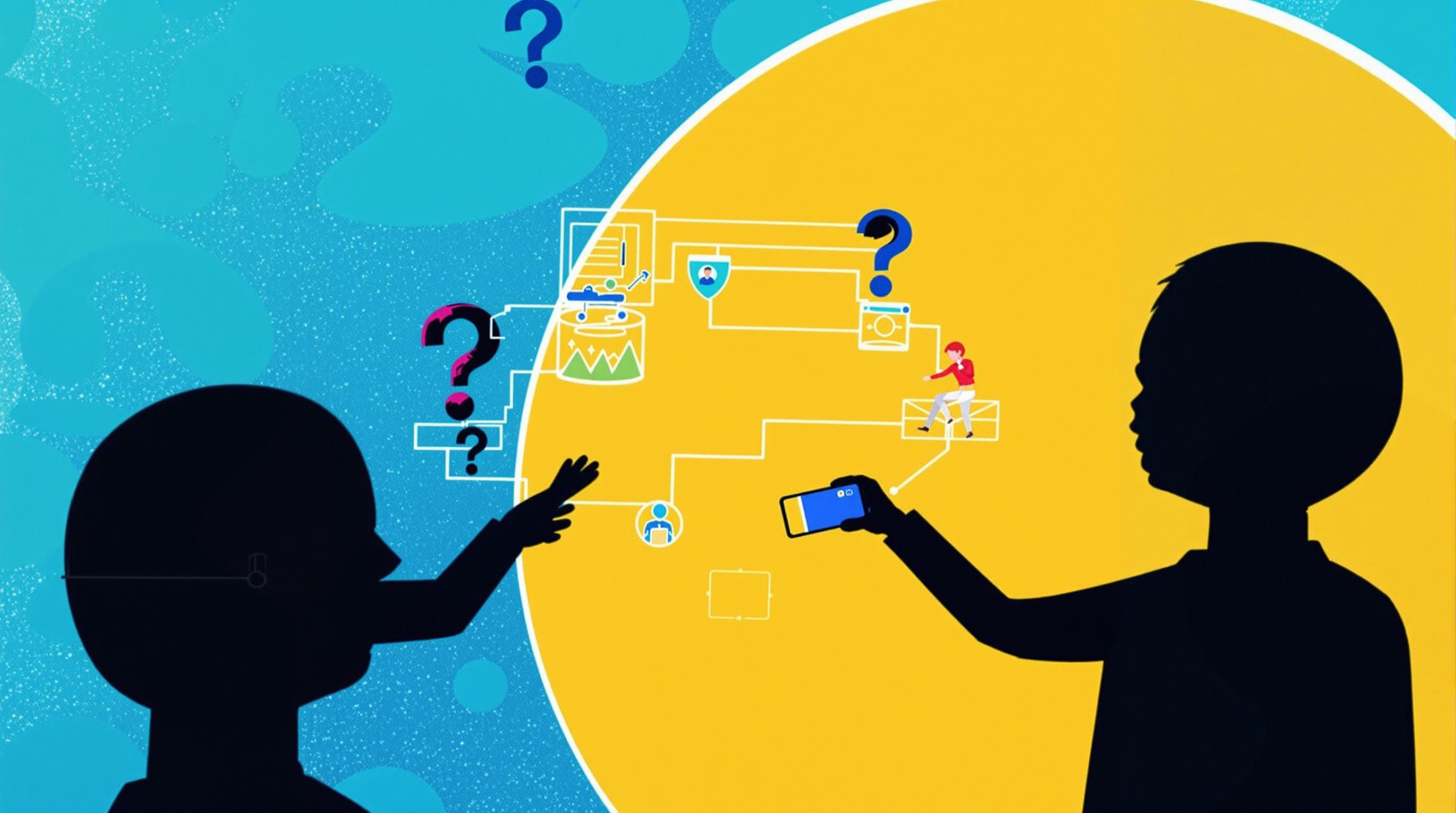
Harnessing Digital Empathy: The Surprising Role of Virtual Connections in Modern Leadership Development
Harnessing Digital Empathy: The Surprising Role of Virtual Connections in Modern Leadership Development
In an era where remote work and digital communication dominate, the art of connecting with others has evolved, leading to a new paradigm in leadership development. By harnessing digital empathy, leaders can forge stronger virtual connections that enhance team dynamics and drive performance.
The Rise of Digital Empathy
In 2023, a report from the World Economic Forum found that 93% of leaders agreed that emotional intelligence is the most crucial skill for future leaders. As we navigate a world increasingly defined by digital interactions, the concept of empathy—especially digital empathy—becomes essential.
What is Digital Empathy?
Digital empathy refers to the ability to understand and resonate with others' feelings and perspectives through digital channels. Unlike traditional empathy, which thrives on face-to-face interactions, digital empathy requires a nuanced approach to communication—utilizing tools like video calls, chats, and emails to foster connection. In a remote setting, where nonverbal cues can easily be lost, this skill is paramount.
Why is It Important?
The global shift toward remote work following the COVID-19 pandemic proved challenging for many organizations. Studies show that 46% of employees felt isolated while working from home. In this context, leaders who can practice digital empathy contribute not only to their teams' mental well-being but also to productivity, engagement, and loyalty.
The Role of Technology in Enhancing Empathy
Consider a recent case study from Cisco, which implemented virtual coffee breaks for teams during the pandemic. This simple initiative led to a 27% increase in team cohesion, with employees reporting a stronger sense of belonging. Digital tools can help build those connections, but they also require an intentional approach from leaders.
Examples of Digital Empathy in Action
Imagine a team meeting where a leader notices a member struggling—perhaps their face has a slight frown that could easily be missed in email exchanges. Rather than ignoring this subtle cue, an empathetic leader might follow up privately with a message or a quick video call to check in. This not only supports the individual's mental health but also builds trust within the team, creating a more resilient and engaged workforce.
The 5 Pillars of Digital Empathy for Leaders
To effectively harness digital empathy, leaders can focus on five key pillars:
- Active Listening: Engaging in conversations with full attention, asking follow-up questions, and demonstrating genuine interest in others' thoughts.
- Vulnerability: Sharing one's experiences and feelings can humanize leaders and create a safe space for others to do the same.
- Inclusivity: Ensuring everyone has a voice in digital discussions fosters an environment where diverse perspectives are valued.
- Feedback Culture: Encouraging open feedback loops allows for constructive discussion and continuous improvement.
- Celebrating Wins: Acknowledging both individual and team successes in public forums strengthens connections and boosts morale.
The Science Behind Connection
While some may argue that empathy can't be effectively cultivated through a screen, research tells a different story. According to a recent study published in the journal Frontiers in Psychology, participants reported significantly higher levels of emotional understanding during video calls compared to text-based communication. The study highlighted that visual cues and vocal inflections can enhance the empathetic experience, making digital platforms not just alternative, but almost necessary in certain contexts.
The Humor Element in Digital Connections
It's essential to infuse some humor into virtual interactions. Imagine jumping into a Zoom call, only to accidentally turn yourself into a potato through a filter. “Looks like I’m spud-tacular today!” By lightening the mood, leaders can break down barriers and foster a sense of team spirit that transcends physical distances.
Applying Digital Empathy in Leadership Development Programs
Leadership development programs have evolved significantly in recent years. Instead of traditional classroom settings, many organizations are embracing hybrid training that incorporates digital empathy exercises. These may include role-playing scenarios focused on virtual communication or interactive workshops where participants practice active listening skills.
A survey by the Association for Talent Development found that 74% of organizations report offering leadership development initiatives virtually. With this shift comes the necessity for trainers and participants alike to cultivate and practice digital empathy actively.
Challenges and Overcoming Them
While the benefits of digital empathy are clear, challenges persist. Miscommunication is more prone to occur when faces aren’t visible or when emotions lack context. A study by the Stanford Graduate School of Business found that more than 60% of remote workers reported feelings of disconnection due to these barriers.
To combat this, leaders might consider incorporating regular check-ins using video conferencing, where they can discuss team achievements and struggles openly. A simple daily or weekly ritual can transform the team’s culture, making the virtual environment more collaborative and less isolating.
Case Study: Zappos
Zappos, known for its exceptional customer service, took digital empathy to a new level during the pandemic. Shawn, a group leader, began crafting personalized messages for team members regularly, which led to a notable 18% increase in employee satisfaction scores. This case exemplifies how intentional efforts in communication can visibly uplift a remote workforce.
The Future of Digital Empathy in Leadership
As we move towards a future where hybrid work is likely to remain, leaders must prioritize digital empathy. It's not merely a soft skill but a vital component of effective leadership. In the words of Brené Brown, “Vulnerability is not weakness. And that myth is profoundly dangerous.” Empathetic leaders who embrace vulnerability and foster digital connections redefine team cultures for generations to come.
Final Thoughts: A Call to Action
What’s stopping you from embracing digital empathy? The statistics are compelling; the need is clear. Connect with your team, share your experiences, and create a culture where empathy exists, even through screens. The rewards are immense, promising not only stronger teams but richer, more fulfilling workplaces. So let's grab our digital tools, dial down the filters, and dial up the human connection. Now, who’s up for another virtual coffee break?
Conclusion
The journey toward understanding and implementing digital empathy in leadership is ongoing. However, committed leaders can harness this vital skill to ensure that their teams remain engaged, empowered, and mentally healthy, regardless of physical distances. The power of empathy transcends time zones and pixels—let's harness it to shape a brighter future for leadership.
Read More