
Related Articles
- When Ancient Trade Routes Resurface: Unexpected Lessons for Modern Commerce and Global Economic Resilience
- When Artifacts Become Currencies: The Intriguing Trade Between Antiquities and Emerging Markets
- Beyond Borders: Unconventional Partnerships Transforming Trade Strategies in the Age of Globalization
- The Rise of Shadow Economies: How Informal Trade Networks are Disrupting Global Market Structures
- Cryptocurrency and Society: Understanding the Hidden Costs of Digital Assets on Community Well-Being
- The Surprising Role of Cultural Narratives in Shaping Investment Choices and Financial Preferences
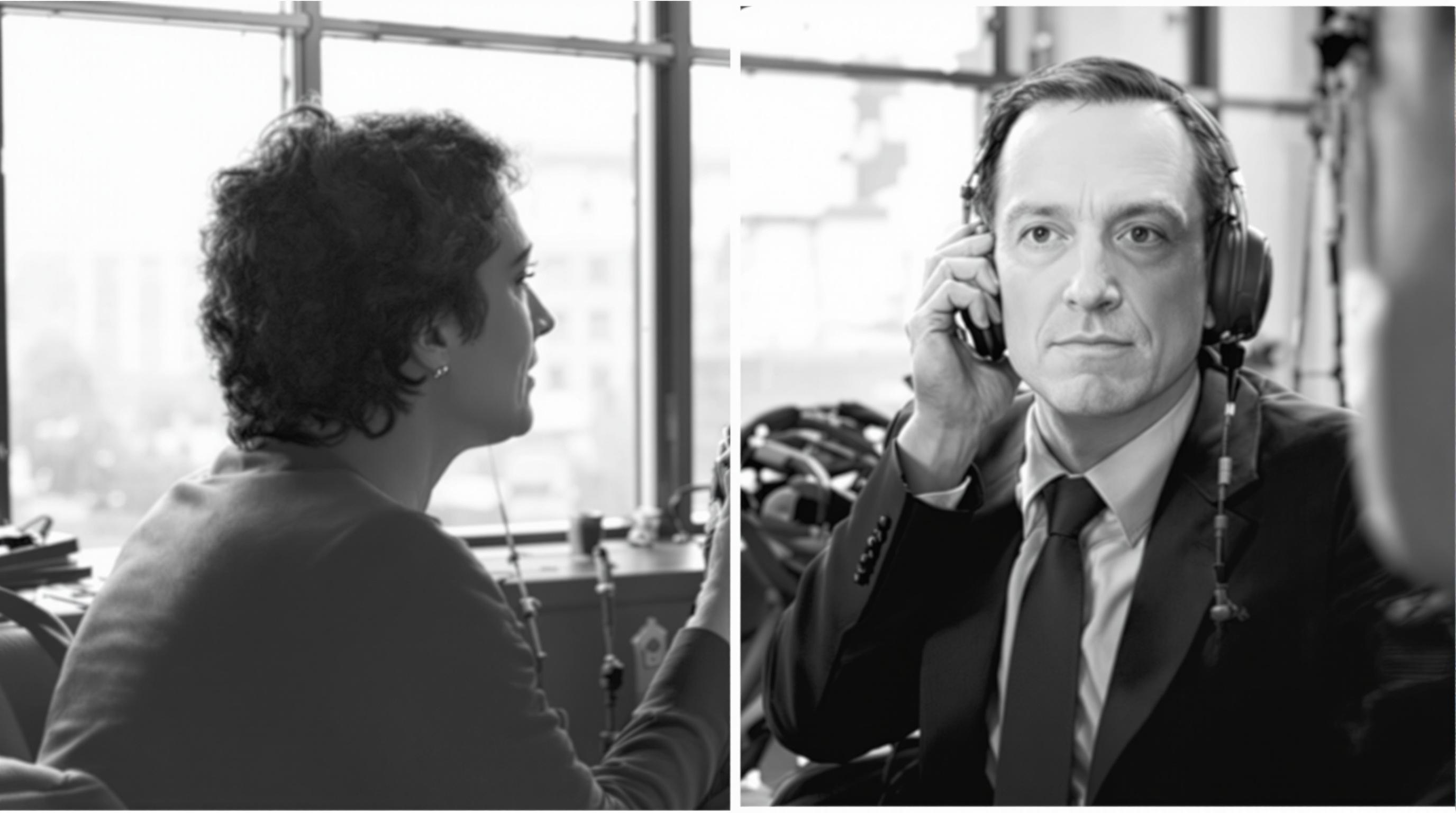
The Silent Symphony: How Listening to Nonverbal Cues Can Elevate Leadership Effectiveness
The Silent Symphony: How Listening to Nonverbal Cues Can Elevate Leadership Effectiveness
The art of effective leadership extends beyond mere words; it involves the subtle dance of nonverbal communication that significantly influences team dynamics. As leaders refine their ability to interpret nonverbal cues, they can strengthen connections, motivate teams, and ultimately drive better outcomes.
Understanding Nonverbal Communication
Imagine entering a room for a meeting, and before anyone speaks, you can sense the energy in the air: a tightness, a malaise, or perhaps an unyielding enthusiasm bubbling just beneath the surface. Why does this happen? Research indicates that up to 93% of communication is conveyed through nonverbal signals (Mehrabian, 1971). Nonverbal cues include facial expressions, body language, and even the tone of voice. Thus, mastering these can enhance a leader's effectiveness tenfold.
The Power of Body Language
Consider a leader who stands confidently at the front of a room, arms uncrossed, and with an open posture. Instantly, they exude an aura of approachability and authority. In a famous study led by Amy Cuddy at Harvard Business School, she found that people who adapt "power poses" leading up to critical situations can feel more confident and even influence hormone levels in the brain (Cuddy, Wolf, et al., 2012). This example underscores how intentional body language not only affects how leaders view themselves but also shapes how their teams perceive them.
Case Study: The Transformative Leadership of Satya Nadella
When Satya Nadella took over as CEO of Microsoft in 2014, the company was often characterized as stagnant, bureaucratic, and out of touch with a fast-evolving tech landscape. Nadella understood the gravity of nonverbal cues not just in his interactions, but throughout the company culture. His leadership style focuses on empathy, listening, and fostering open dialogue, thereby reshaping the company culture altogether. Whether it was the way he engaged during team meetings or how he mobilized the workforce through body language signaling support, Nadella's approach showcases the profound impact of purposeful nonverbal communication on leadership effectiveness.
Facial Expressions: The Window to the Soul
We’ve all been there—someone is talking values, and you can’t help but notice their raised eyebrows or the slight smirk. Facial expressions can convey trust, skepticism, enthusiasm, or boredom—and it only takes a split second for a perception to form. A study by the University of California revealed that first impressions based on facial expression can be formed within just 100 milliseconds (Willis & Todorov, 2006). Leaders should be acutely aware of their own facial expressions and those of their team members to decode emotions and attitudes effectively during interactions.
The Importance of Active Listening
Active listening is a game-changer in leadership. While some might think that listening is merely a passive act, true active listening involves engaging with the speaker—nodding, maintaining eye contact, and using verbal affirmations. Research by the Institute for Leadership and Management found that leaders who practice active listening see a 31% increase in team performance and innovation. So, next time you’re in a discussion, put away your phone, lean in, and watch how the dynamic shifts.
Conversational Tone: A Friendly Reminder on Listening
Okay, let’s get real for a moment. We've all been in those meetings where it seems like everyone is just waiting for their turn to talk rather than truly listening—like a bad game of verbal ping-pong! Here’s the thing: great leaders don’t just hear words; they absorb the entire narrative. They nod, lean forward, and sometimes even throw in a “that’s interesting” to keep the vibe alive! So, the next time you find yourself drifting in a meeting, challenge yourself to listen actively—and trust me, your team’s morale will thank you for it!
Expressing Empathy Through Nonverbal Cues
Empathy is the heart of effective leadership, and nonverbal communication is a significant avenue for expressing it. A simple touch on the shoulder, a nod of understanding, or even mirroring another person's emotions can create an atmosphere where team members feel understood and respected. When leaders cultivate an empathetic aura through their nonverbal cues, they build a culture of trust, making teams more cohesive and effective.
Reading the Room: The Art of Observation
The ability to read the room is an essential skill for any leader. It’s not just about gauging the mood of the meeting but also about identifying unspoken issues and tensions. One method involves observing body language across the team. Are people leaning back, crossing arms, or leaning toward each other? These cues provide a treasure trove of insight into how your message is being received. Coaches focus on this skill for a reason; they know that the best decisions come when leaders are tuned into their team’s emotional landscape.
The Quantum Leap of Nonverbal IQ
Let’s talk numbers because who doesn’t love a good statistic? The concept of "nonverbal intelligence" plays into how astutely a leader can perceive and interpret nonverbal cues. A study from the University of Southern California revealed that leaders with high nonverbal IQ can predict team performance with an accuracy rate of almost 90%. So, if you want to be a great leader, then honing that nonverbal perception is a must. The better you become at reading these cues, the more effective your leadership will be in achieving goals.
Global Perspectives: Cultural Context in Nonverbal Communication
While nonverbal communication is essential, it’s vital to remember that cultural context matters. What may be interpreted as confident body language in one culture can come off as aggressive in another. For instance, direct eye contact is considered a sign of confidence in Western cultures but may be seen as disrespectful in some Asian cultures. Leaders operating on a global stage must be aware of these nuances and adapt their nonverbal behaviors accordingly—after all, cultural intelligence is just as critical as emotional intelligence when leading a diverse team.
Conclusion: The Unsung Hero of Leadership
As we draw our exploration to a close, let us remember that nonverbal communication is not merely an adjunct to verbal communication; it’s a potent force that can either advance or hinder leadership effectiveness. By actively refining our ability to listen and respond to nonverbal cues, we cultivate a leadership style that resonates with our teams and inspires exceptional collaboration. The silent symphony of nonverbal interaction holds the keys to unlocking our true potential as influential leaders in today’s ever-evolving workplace.
In the end, effective leadership is about much more than words on a page or PowerPoint slides. It's the unspoken connections that lead to transformative results. The world is watching—and listening—after all, even in silence.
So, why not turn that silence into your symphony? Start today!
Read More