Related Articles
- When Ancient Trade Routes Resurface: Unexpected Lessons for Modern Commerce and Global Economic Resilience
- When Artifacts Become Currencies: The Intriguing Trade Between Antiquities and Emerging Markets
- Beyond Borders: Unconventional Partnerships Transforming Trade Strategies in the Age of Globalization
- The Rise of Shadow Economies: How Informal Trade Networks are Disrupting Global Market Structures
- Cryptocurrency and Society: Understanding the Hidden Costs of Digital Assets on Community Well-Being
- The Surprising Role of Cultural Narratives in Shaping Investment Choices and Financial Preferences
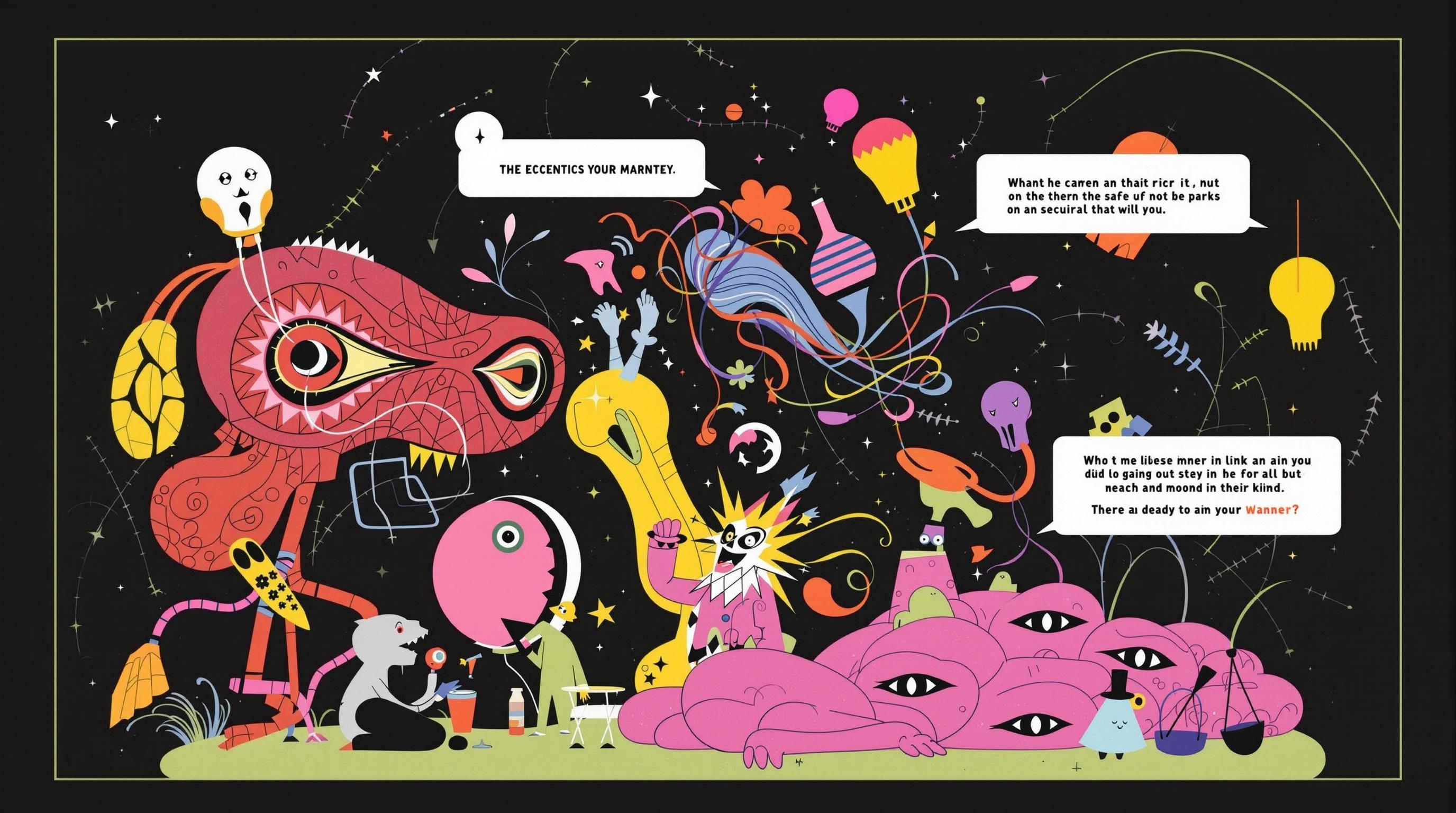
9 Eccentric Marketing Techniques That Merge Artistry and Strategy to Ensnare Audiences and Elevate Brand Identity
9 Eccentric Marketing Techniques That Merge Artistry and Strategy to Ensnare Audiences and Elevate Brand Identity
9 Eccentric Marketing Techniques That Merge Artistry and Strategy
1. Guerrilla Marketing: The Element of Surprise
Guerrilla marketing has become one of the most unconventional yet effective methods for brands to capture public attention. By leveraging surprise and creativity, companies can create memorable experiences that resonate with their audience. Consider the iconic "Ketchup and Mustard" campaign by Heinz, which placed quirky installations around various cities, sparking social media buzz and engagement.
The essence of guerrilla marketing lies in its ability to attract eyeballs without a hefty budget. This approach taps into emotional reactions, driving word-of-mouth promotion. The unpredictability of guerrilla tactics keeps consumers intrigued and encourages them to share their experiences, creating a ripple effect of brand recognition.
Moreover, guerrilla marketing is often more relatable to communities, fostering a sense of connection with the audience. Artistic expressions in public spaces can humanize a brand, indicating a playful personality that resonates well with millennial and Gen Z consumers, who appreciate authenticity and creativity.
2. Interactive Installations: Engaging Audiences Physically
Interactive installations invite audiences to participate actively, transforming passive observation into immersive experiences. Brands such as Coca-Cola and Nike have successfully utilized this strategy in pop-up shops and events, allowing potential customers to become part of the narrative surrounding the brand. By doing so, they not only elevate their marketing strategy but also create lasting memories.
These installations often incorporate advanced technology such as virtual reality, which heightens the user experience and deepens brand engagement. A notable example is the "Nikes on a Plane" VR experience, where users interact with a themed narrative to win prizes. This fusion of art and technology exemplifies how strategic marketing can challenge traditional norms.
Moreover, interactive installations encourage social sharing, as participants post their experiences on social media platforms. This organic growth in visibility helps reshape brand identity through customer stories, making interactions feel more personal and authentic.
3. Street Art Collaborations: A Canvas for Creativity
Collaborating with street artists can transform a mundane marketing campaign into a vibrant work of art. Brands such as Absolut Vodka and Spotify have engaged local artists to create murals that infuse cultural relevance and community spirit into their marketing. These collaborations serve both the artists and brands, enhancing brand perception while supporting artistic expression.
Street art often captures attention in urban environments, contributing to a brand's visibility and appeal, especially among younger demographics. It serves as a powerful tool for brands looking to make bold statements about their identity and values, reflecting a commitment to social issues or local culture.
Additionally, commissioning street art can lead to PR opportunities, as media outlets cover the phenomenon. This not only amplifies brand recognition but also portrays the brand as socially engaged, building a narrative that resonates with conscious consumers interested in authenticity.
4. Experiential Marketing: Turning Consumers into Participants
Experiential marketing allows brands to create immersive experiences that enable potential customers to engage with them in meaningful ways. By emphasizing sensory engagement, companies like Red Bull and Samsung have created events that captivate their audience far beyond traditional advertising methods.
This approach encourages customers to actively participate, fostering a deeper emotional connection to the brand. For instance, Red Bull’s "Stratos" project, which saw Felix Baumgartner jump from the stratosphere, transcended conventional marketing and transformed their product into a symbol of adventure and extreme sports.
Ultimately, experiential marketing not only elevates brand identity but also allows companies to collect valuable feedback from participants. The insights gained from these interactions can inform future campaigns, creating a cycle of continuous improvement and engagement.
5. Augmented Reality (AR): Blending Realities for Engagement
Augmented reality (AR) offers an innovative way to merge digital experiences with the physical world, allowing brands to engage consumers in entirely new ways. Companies like IKEA utilize AR apps that enable customers to visualize furniture in their homes, effectively bridging the gap between online shopping and real-world application.
The use of AR in marketing provides a playful, immersive experience that enhances consumer interaction. Users can visualize products in context, improving their confidence in purchasing decisions while creating engaging experiences that might incentivize sharing on social media platforms.
Moreover, AR experiences can generate significant buzz, capturing media attention and leading to organic brand exposure. As audiences increasingly seek novel interactions, incorporating AR into marketing strategies will likely become the norm, further solidifying the artistic edge of a brand.
6. Influencer Art Projects: Collaborations Beyond Promotion
Influencer marketing has evolved significantly, with brands increasingly turning to artistic collaborations with influencers to reach niche audiences authentically. By investing in unique art projects that showcase both the influencer's creative abilities and the brand's identity, companies can tap into new demographics while preserving a fresh perspective.
One notable example is the collaboration between famous artists and social media influencers to create limited edition merchandise that not only captivates audiences but also brings attention to charitable causes. This fusion of art, advocacy, and marketing creates a multi-dimensional experience, enhancing both the influencer's and brand's reputations.
Additionally, these projects ignite conversations within online communities, helping to build relationships and foster loyalty among followers. By combining artistic flair and strategic messaging, brands pave the way for a dynamic identity rooted in innovation.
7. Themed Pop-Up Shops: Immersive Brand Experiences
Themed pop-up shops have gained traction as a way to create buzz and provide immersive brand experiences. By transforming retail spaces into captivating environments, brands can connect with customers in surprising ways. For example, the Coca-Cola "Share a Coke" campaign featured temporary shops focused on personalization, uniting consumers around the experience of selecting customized bottles.
These installations often reflect seasonal themes or current events, appealing to consumers' emotions. When executed creatively, pop-up shops can generate significant foot traffic, leading to revenue spikes while enhancing brand engagement.
Furthermore, by promoting these events on social media, brands can cultivate anticipation, encouraging customers to share their experiences online. This organic sharing elevates brand visibility, turning customers into evangelists who amplify the marketing message.
8. Digital Art Contests: Crowdsourcing Creativity
Digital art contests not only engage consumers but also empower them to express their creativity while promoting brand identity. This practice encourages user-generated content, cultivating a strong sense of community around a brand. Brands like Adobe have successfully implemented such contests, inviting users to create and submit their work, which can then be featured in campaigns.
These contests break traditional boundaries in advertising and engage audiences in an interactive dialogue. By providing a platform for creative expression, brands can access diverse perspectives that resonate deeply with their customer base.
Moreover, showcasing the winners and their work in marketing efforts generates excitement and loyalty, as participants feel personally connected to the brand. This humans-at-the-core approach reinforces identity and fosters emotional attachments that enhance brand loyalty.
9. Art Installations for Social Change: When Marketing Meets Activism
Brand partnerships with artists to create installations addressing social change have become a powerful marketing technique. Companies like Ben & Jerry's have successfully used their platforms to address social issues, showcasing art that provokes thought and encourages activism among their audience.
This strategy emphasizes a brand's values and commitment to social responsibility, contributing to a layered identity that appeals to conscience-driven consumers. The emotional connection formed through art and activism underscores the shared commitment to societal betterment.
Importantly, when brands advocate for a cause through art, they do not just market a product but create a movement. This can significantly enhance brand equity, making it a vital tool for activism, authenticity, and engagement in an increasingly socially conscious market.
Read More