Related Articles
- When Ancient Trade Routes Resurface: Unexpected Lessons for Modern Commerce and Global Economic Resilience
- When Artifacts Become Currencies: The Intriguing Trade Between Antiquities and Emerging Markets
- Beyond Borders: Unconventional Partnerships Transforming Trade Strategies in the Age of Globalization
- The Rise of Shadow Economies: How Informal Trade Networks are Disrupting Global Market Structures
- Cryptocurrency and Society: Understanding the Hidden Costs of Digital Assets on Community Well-Being
- The Surprising Role of Cultural Narratives in Shaping Investment Choices and Financial Preferences

Whispers of Influence: How Dark Patterns Shape Consumer Choices in the Digital Marketplace
Whispers of Influence: How Dark Patterns Shape Consumer Choices in the Digital Marketplace
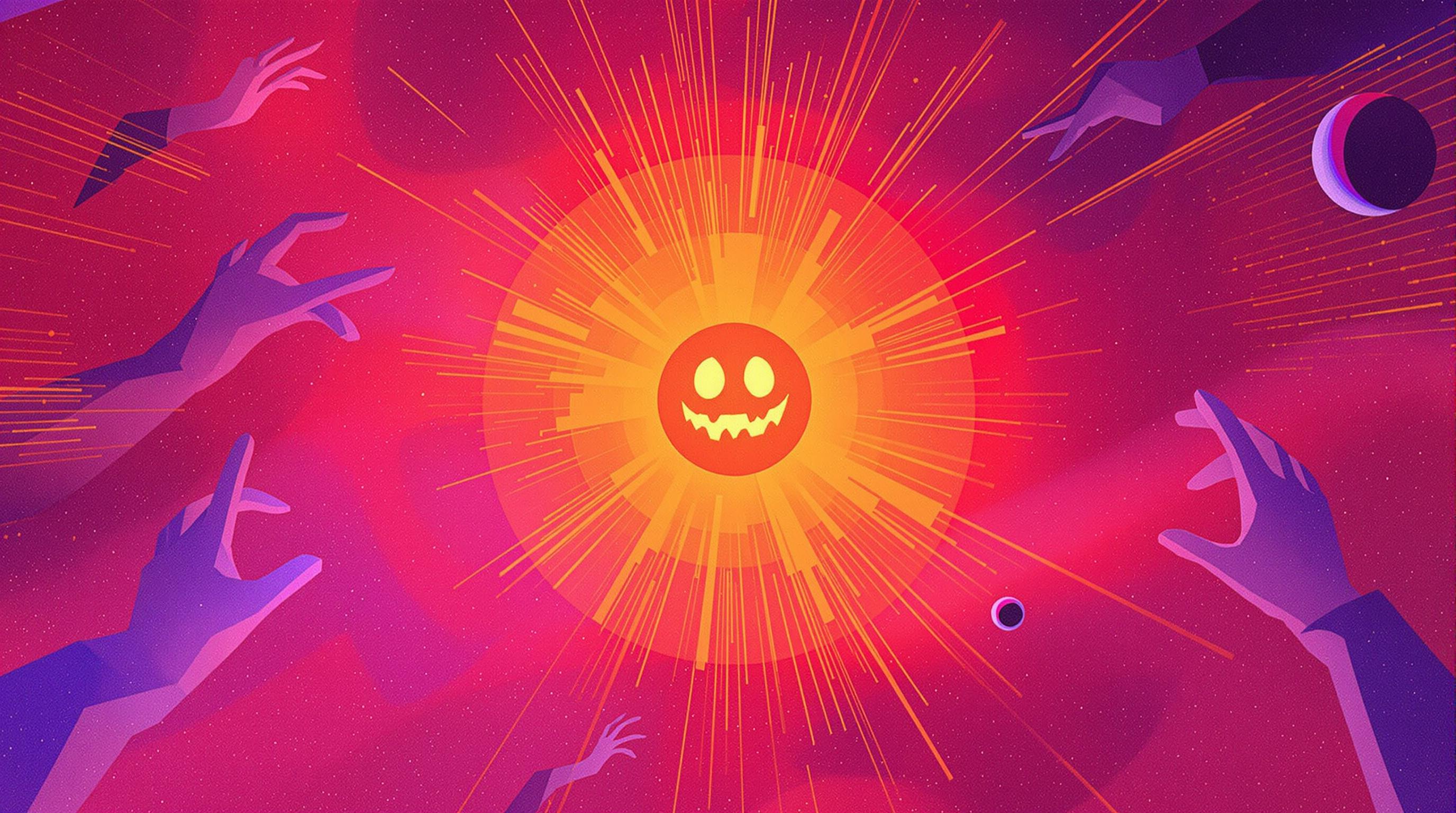
In a world driven by digital interactions, dark patterns subtly manipulate our online choices, often without our awareness. This article delves into the various forms of dark patterns, their impact on consumer behavior, and potential solutions to mitigate their influence.
What Are Dark Patterns?
At its core, a dark pattern is a user interface design choice that intentionally misleads or tricks users into making decisions they might not make under different circumstances. Think of it as the digital equivalent of a wolf in sheep’s clothing. While we navigate through various online platforms, these deceptive designs lurk behind seemingly innocuous buttons and links, steering our choices in favor of the company rather than our own interests.
The Psychology Behind Dark Patterns
To understand how dark patterns work, it’s essential to look at human psychology. Behavioral economics informs us that consumers often make decisions based on emotions rather than rational analysis. As Donald Norman, author of "The Design of Everyday Things," points out, “Design is not just what it looks like and feels like. Design is how it works.” And unfortunately, some designs prioritize profit over ethics.
Types of Dark Patterns
1. Bait and Switch
Picture this: you find a fantastically discounted product online, only to be met with a price hike at checkout. Welcome to “bait and switch.” This tactic preys on consumers’ expectations, and it can lead to frustration and feelings of betrayal. A study conducted by the consumer watchdog site Which? in 2021 found that over 30% of respondents had experienced this tactic while shopping online.
2. Hidden Costs
It’s checkout time. You’ve added your products to the cart and are ready to pull the trigger when BAM! An unexpected shipping fee slams into your bill. Such hidden costs have been shown to increase cart abandonment rates, with studies estimating that 60% of buyers abandon their carts upon encountering additional fees (BigCommerce).
3. Forced Continuity
Now, let’s talk about subscriptions. Companies love to offer free trials with the fine print that rolls you into a paid subscription if you forget to cancel. This tactic, called forced continuity, can easily catch anyone off guard, especially if they intended only to try it out. Notably, in 2019, the Federal Trade Commission (FTC) took action against a popular streaming service for not sufficiently alerting users about automatic renewals.
4. Roach Motel
Have you ever tried to uninstall an app only to realize it’s harder than winning the lottery? Enter the roach motel—a design that makes it easy to get in but incredibly difficult to exit. It’s a deliberate decision that traps users within services they’d rather leave, causing ongoing frustration and mental drain.
The Impact on Consumer Behavior
As a 24-year-old freelancer, I've noticed how these tactics occasionally lead me astray, making me second-guess my choices. The real-world implications of dark patterns affect not just individual decisions but long-term trust in brands. A survey by J.D. Power revealed that brands employing manipulative designs faced significant drops in customer loyalty, demonstrating how detrimental these tactics can be over time.
Real-Life Examples
Let’s take a stroll down the memory lane of online shopping. Consider the infamous case of LinkedIn, which faced backlash for using misleading buttons that made users inadvertently agree to premium subscriptions back in 2016. After pressure from various consumer advocacy groups, LinkedIn revamped its interface, realizing that honesty pays better in the long run.
Another notorious example comes from a popular airline booking website. Users seeking to book tickets found numerous pop-ups suggesting that others were booking the same flight at that moment—creating a fear of missing out (FOMO) that pushed them towards making hasty decisions. This is a classic instance of social proof, skillfully manipulated to serve corporate interests.
Tackling Dark Patterns
So, what can be done about these digital culprits? Awareness is the first step. Consumers need to familiarize themselves with the deceitful maneuvers of online platforms. Many governments and organizations are also catching on, with Europe’s GDPR regulation setting a precedent for user consent and data protection.
Furthermore, companies themselves hold the power to instigate change. A transparent approach to design is not only ethical but can build lasting relationships with consumers. Brands like Patagonia exemplify how ethical practices resonate positively with customers, often leading to increased sales and a devoted following.
Proactive Consumer Choices
It’s all too easy to fall into the rabbit hole of digital marketing tactics, but consumers have tools to fight back. Browser extensions like “Privacy Badger” and “uBlock Origin” can help minimize exposure to predatory ads. Additionally, reading user agreements and keeping up-to-date with industry standards can arm users with the knowledge needed to make informed decisions.
Measuring The Effect: Statistics and Research
Growing Concern About Dark Patterns
A staggering 86% of people state they have encountered online dark patterns at least once during their browsing experience, according to a survey conducted by the Electronic Frontier Foundation. The alarming increase in dark patterns signifies the necessity for heightened consumer education and regulatory oversight.
Call to Action
As we traverse through this digital landscape, it becomes imperative to advocate for transparency in design. Join hands with fellow consumers, spread awareness, and collaborate with organizations committed to ethical UX practices. Together, we can turn the tide against the shadows of digital deception and advocate for a marketplace that champions fairness and integrity.
Conclusion: The Path Ahead
As a 32-year-old digital marketing specialist, I believe the future of consumer choices will depend significantly on awareness and education. The battle against dark patterns is not just a technological challenge; it’s a societal one. By creating a culture that values ethical approaches to design while educating consumers, we can create a more transparent digital ecosystem where choices are not just easy to navigate but also genuinely serve the best interests of users.
To quote Maya Angelou, “When you know better, you do better.” Let’s become a community that knows better, stands together, and pushes for change in the digital marketplace. The whispers of influence can be silenced; it's time to raise our voices for transparency and ethics in design.
Read More