
Related Articles
- When Ancient Trade Routes Resurface: Unexpected Lessons for Modern Commerce and Global Economic Resilience
- When Artifacts Become Currencies: The Intriguing Trade Between Antiquities and Emerging Markets
- Beyond Borders: Unconventional Partnerships Transforming Trade Strategies in the Age of Globalization
- The Rise of Shadow Economies: How Informal Trade Networks are Disrupting Global Market Structures
- Cryptocurrency and Society: Understanding the Hidden Costs of Digital Assets on Community Well-Being
- The Surprising Role of Cultural Narratives in Shaping Investment Choices and Financial Preferences
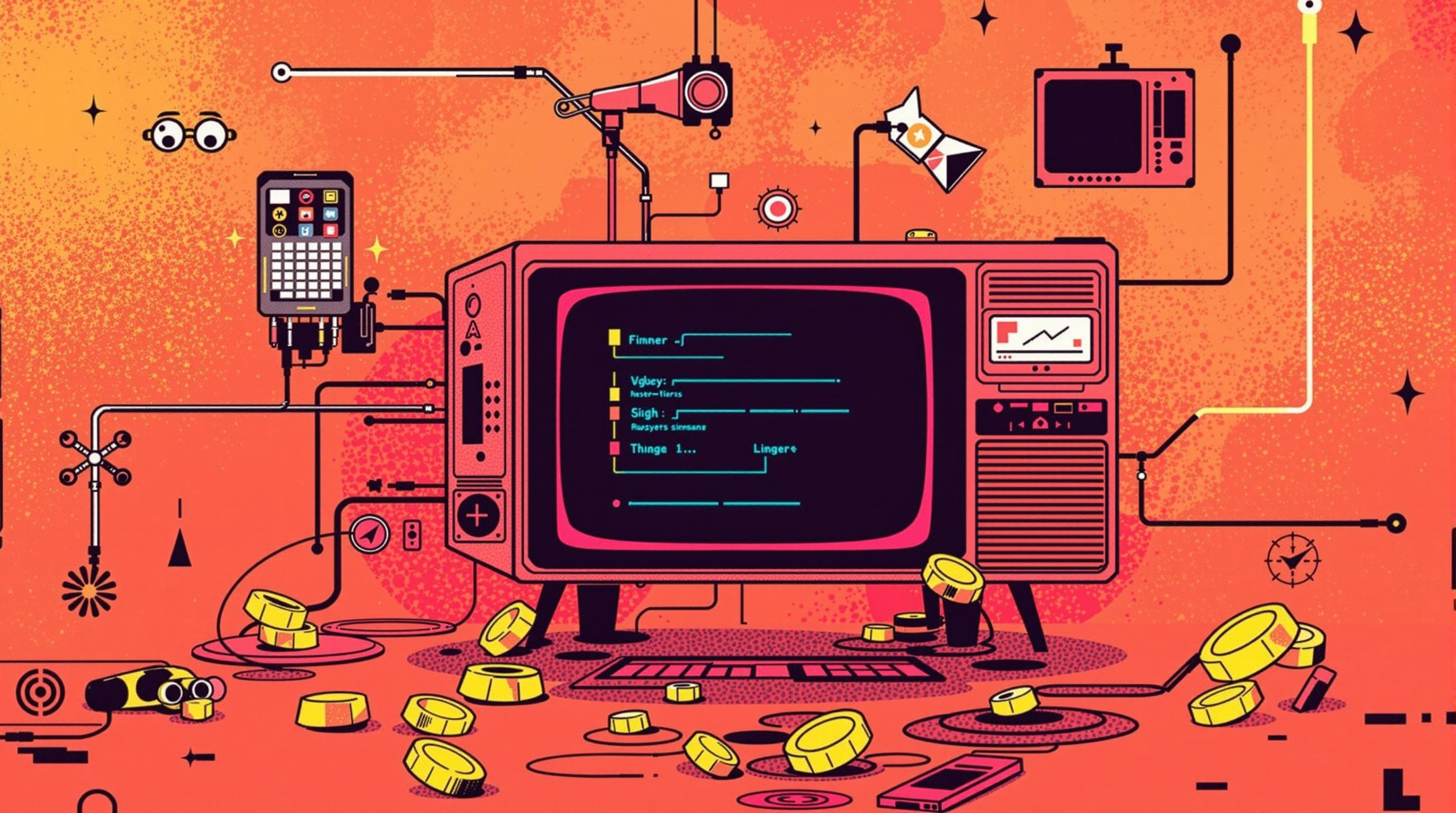
Unearthing Gold: The Surprising Role of Obsolete Tech in Shaping Tomorrow’s Startup Landscape
Unearthing Gold: The Surprising Role of Obsolete Tech in Shaping Tomorrow’s Startup Landscape
In a world where technology evolves at breakneck speed, many consider old gadgets and systems mere relics of the past. Yet, it’s precisely this so-called "obsolete tech" that could inspire the next wave of startups, leveraging nostalgia and innovation to create exciting futures.
Welcome to the Golden Age of Obsolete Tech
Imagine you’re rummaging through your parents’ garage and stumble upon a box filled with VHS tapes, cassette players, and floppy disks. At first, it may seem like a pile of outdated junk, but for a savvy entrepreneur, it’s a treasure trove of inspiration. Obsolete tech often contains ideas that, when combined with contemporary tools, can spark creative solutions and market-disrupting innovations.
The Nostalgia Factor
Nostalgia isn’t just about reminiscing. As noted by a study from the Journal of Consumer Research, nostalgia can boost creativity and open the mind to novel ideas (Routledge et al., 2011). Take the rise of retro-themed products in recent years: from vinyl records making a comeback to the retro styling of the latest tech gadgets, people are drawn to the comfort of the familiar. This yearning for the past can lead to startup opportunities that marry old technology with modern design. Companies like Polaroid have successfully tapped into this trend, revamping their mechanics to cater to today’s consumer without losing their nostalgic charm.
Case Study: The Resurrection of Blockbuster
You might remember that Blockbuster store on your street corner. But what if it could rise from the ashes? A hypothetical case: a startup could create a community-oriented video rental service that embraces the nostalgic vibe of visiting a local store. As more people seek personalized experiences in the digital age, the idea of picking out a movie amidst shelves of familiar titles could resonate well. Perhaps the startup could even incorporate vending machines stocked with DVDs in strategic locations—who wouldn’t want to relive their Friday night memories?
Turning Trash into Treasure: Upcycling Obsolete Tech
Many entrepreneurs are creatively reimagining old tech not just for aesthetics, but for practicality. Take the makers’ movement, which thrives on DIY culture and sustainability. Startups like "The Recycled Video Game" have emerged, where entrepreneurs take old game consoles and turn them into unique pieces of furniture, blending entertainment with functional design. This upcycling not only reduces electronic waste but presents a market niche that appeals to eco-conscious consumers.
Statistics Speak Volumes
According to the Global E-waste Monitor 2020, only 17.4% of global e-waste was recycled. This presents a monumental opportunity for startups focused on sustainability. Incorporating obsolete tech into their business model aligns mission-driven entrepreneurial goals with growing consumer demand for eco-friendly products. It begs the question: if waste can uncover profit, what else can we salvage from the past?
Humor in Obsolescence
Let’s imagine for a second that old tech could speak. If my old flip phone could talk, it would say, “Hey, remember when selfies were taken with 35mm film? Oh, the humanity!” There's an amusing angle to obsolete tech that startups can exploit. Companies could capitalize on humor-driven marketing strategies that play into the absurdities of outdated tech. Campaigns like “Revisiting Your Tech Mistakes” could go viral, engaging users interested in the awkward, clunky memories which they might just find charming.
From Office Towers to Living Rooms: The Shift in Work Culture
While many startups embrace remote work technologies, the essence of creativity often lies in the unconventional. Co-working spaces camouflaged as lounges can transform into the incubators of innovation. Enter the coffee shop with vintage typewriters, where entrepreneurs can pursue their ideas in a relaxed yet quirky environment. Here, outdated tech serves a dual purpose: it activates a creative mindset while simultaneously providing nostalgia in a workspace configured for focus.
Lessons from Yesteryear: Why Learning from Old Failures Matters
It’s vital to highlight that not every obsolete technology is worth bringing back. Remember New Coke? Introduced in 1985, it was a colossal failure for Coca-Cola, leading to the return of the original formula just three months later. The golden lesson here is that innovative failures—while amusing—shouldn’t drown out the facts. It’s crucial for entrepreneurs to analyze why certain tech became obsolete and sift through the data to see what caused their decline. Understanding consumer sentiment will help prevent historical mistakes from repeating themselves.
Resurgent Hardware: Turning Old Gadgets into Gold
Now let’s talk about augmented reality and 3D printing. What if you took old smartphones and turned them into lightweight VR headsets? Or perhaps use obsolete printers to create on-demand prototypes? Startups have begun questioning the utility of what was once considered outdated. The trend of “resurgence” emphasizes the notion that old tech has the capacity to be repurposed in ways never before imagined. This ideology pushes the boundaries of technological advancement and gives birth to entirely new markets.
Defying Timeline Norms: Age and Innovation
It’s a common narrative that youth is the primary engine of innovation. However, consider the 2020 launch of “Grandma’s Tech Academy” by a 52-year-old entrepreneur who harnesses her own experiences with obsolete tech to teach seniors how to navigate the digital world. Age can enrich innovation when leveraging past knowledge; combining wisdom with enthusiasm leads to exponential growth in startup scenarios. Thus, the startup ecosystem benefits from diversifying age-related perspectives on technology.
The Collaborative Edge: Intergenerational Partnerships
Research shows that diverse teams outperform their homogeneous counterparts (Credit Suisse, 2016). When older and younger entrepreneurs collaborate, the fusion of ideas born from experience and youthful exuberance can lead to groundbreaking innovations. A fintech startup led by a seasoned banker and a tech-savvy millennial could redefine consumer finance by revamping outdated banking systems to cater to mobile-first users.
The Future is Now: Integration of Past Tech and Present Solutions
Let’s tie this all together. The role of obsolete tech in shaping tomorrow’s startup landscape is not a mere fantasy; it’s an actionable blueprint! By analyzing its failures and successes, applying creativity beyond traditional boundaries, and repurposing what is often cast aside, startups can unleash powerful innovations that resonate deeply with consumers. With a heightened awareness around sustainability and consumer experiences, leveraging past technologies into business models is not only beneficial—it’s essential.
Some Parting Thoughts
As we traverse this transformative landscape, one question lingers: What can your old tech collection tell you about your next innovative venture? It might be time to dust off those old gadgets, not just for a walk down memory lane, but for unearthing new paths forward. After all, like gold, opportunity often shines brightest when it’s been overlooked for too long.
A Challenge to Entrepreneurs
Consider taking on the challenge of creating something unique from obsolete technology. Open a dialogue with potential consumers about nostalgia and creativity—it could ignite the spark for something extraordinary. Explore how old tech can reinvigorate familiar narratives within your audience while forging new market avenues. What will you unearth next?
Read More