Related Articles
- When Ancient Trade Routes Resurface: Unexpected Lessons for Modern Commerce and Global Economic Resilience
- When Artifacts Become Currencies: The Intriguing Trade Between Antiquities and Emerging Markets
- Beyond Borders: Unconventional Partnerships Transforming Trade Strategies in the Age of Globalization
- The Rise of Shadow Economies: How Informal Trade Networks are Disrupting Global Market Structures
- Cryptocurrency and Society: Understanding the Hidden Costs of Digital Assets on Community Well-Being
- The Surprising Role of Cultural Narratives in Shaping Investment Choices and Financial Preferences
Viral Ventures: How Startups Harness Internet Memes for Explosive Growth and Brand Recognition
Viral Ventures: How Startups Harness Internet Memes for Explosive Growth and Brand Recognition
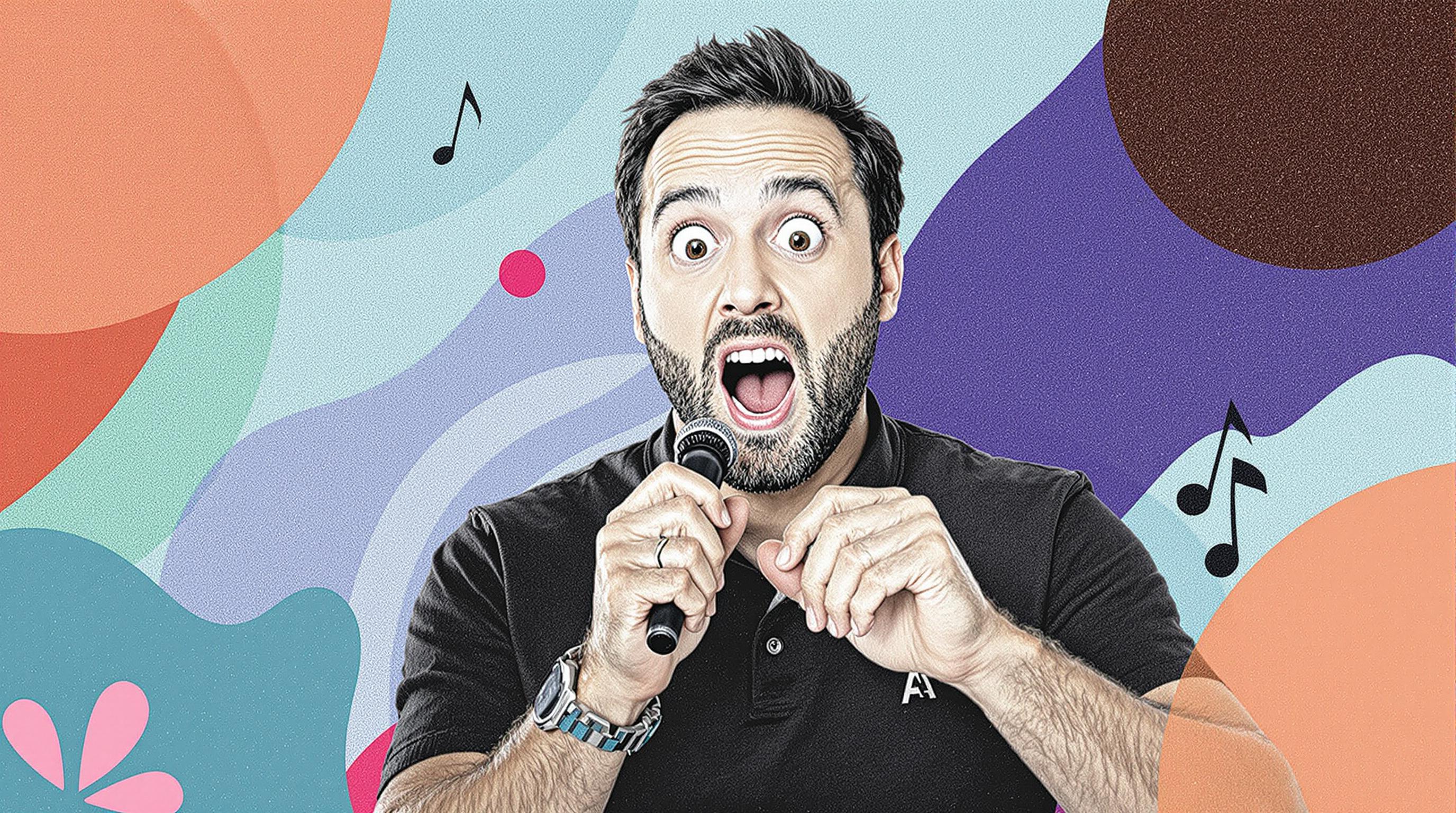
As the digital world evolves, startups are turning to internet memes as powerful tools for explosive growth and brand recognition. This article explores the strategies behind viral memes, showcases successful case studies, and discusses how they reshaped marketing in the age of social media.
Understanding the Meme Phenomenon
We live in a meme-driven economy where a cleverly crafted image or GIF can echo around the world in just minutes. According to a 2021 report by the online marketing agency Burst, 55% of millennials and 47% of Gen Z respondents noted that they share memes on social media platforms at least weekly, demonstrating just how integral they have become to daily online communication.
The Science Behind Going Viral
So, what makes a meme go viral? Lindley Johnson, a professor of digital marketing at Wharton, identified the “6-1-1 rule” in his extensive study on virality, where he emphasized that for every viral campaign, at least six iterations are produced, one becomes successful, and only one leads to significant returns. This showcases the unpredictably iterative nature of viral content.
Viral Storytelling: The Dollar Shave Club Case Study
Consider Dollar Shave Club's infamous launch video in 2012. The internet was subsequently flooded with their humorous advertisements, featuring CEO Michael Dubin boasting, “Our blades are f***ing great!” Within 48 hours, the video had amassed over 12,000 orders—a sharp contrast to traditional marketing tactics. Sparked by relatable humor and solid social media engagement, the company leveraged the meme format to create a narrative that resonated with their audience, resulting in 14 million dollars in funding just a year later.
Employing Memes: Ruffling Feathers or Humanizing Brands?
Companies can choose between two main approaches when using memes: straight-up humor or subtle integration. For example, Wendy's Twitter account is famous for its savage tweets and meme engagement. Their “roast” style has led to a significant rise in followers and ultimately, sales. In 2020 alone, Wendy's reported a 50% growth in brand mentions thanks to clever meme marketing, showing that humor can create rapport with customers that traditional marketing can rarely achieve.
Demographic Targeting: The Meme Users
Interestingly, different memes resonate with distinct demographic groups. Research from the Pew Research Center notes that while Gen Z prefers younger, more absurd formats like the "Distracted Boyfriend" meme, Millennials might lean towards nostalgia-driven memes reminiscent of early internet culture. Startups aiming for viral marketing need to precisely identify their audience’s preferences to capitalize on the meme culture effectively.
The Ripple Effect: Spreading the Memes
Memes have a unique ability to ride the wave of trending topics and current events. For instance, the “Bernie Sanders sitting meme,” featuring the Senator at President Biden's inauguration, exploded in popularity and fueled entire social media campaigns around it. Brands like Oreo seized the momentum by tweeting a clever twist about their cookies being “the perfect snack for sitting,” exemplifying how memes can synergize with ongoing conversations.
Meme Marketing vs. Traditional Marketing
In a world where the average attention span is approximately 8 seconds—less than that of a goldfish—memes echo instant gratification. Traditional marketing, with its longer narratives and substantial budgets, can’t compete with the low-cost, high-impact structure of viral memes. In 2021, a study by Statista revealed that digital meme marketing campaigns had an up to 65% better engagement rate compared to conventional ads, making it undeniably a game changer in brand recognition.
The Risks of Meme Marketing
On the other side of the coin, the use of memes isn’t without risks. When well-intentioned brands like Pepsi tried to harness memes through their “Live for Now” campaign in 2017, the results were disastrous. The backlash from consumers who felt the campaign detracted from the serious social issues it tried to highlight led to public disapproval and damaged brand reputation. Understanding the thin line between relatable content and inappropriate responses is critical for startups. A simple misstep can lead to memes serving as an internal affair rather than external marketing.
Future Trends: The Evolution of Meme Culture
As we step into the future, it’s interesting to contemplate how memes will evolve. Data analytics software like Sprout Social and Hootsuite allow brands to better understand trending topics and tailor their meme strategies accordingly. As artificial intelligence continues to grow, we might even witness advanced algorithms creating ‘perfect’ memes specifically engineered for maximum virality.
The Role of Influencers in Meme Marketing
Influencer marketing, when combined with meme culture, can culminate in explosive results. Brands like Gymshark have seen tremendous growth partly thanks to influencers who create relatable meme content. According to a report by Influencer Marketing Hub, the fitness apparel brand’s online sales jumped by 200% in one year, much of it credited to engaging meme collaborations that appealed to their target demographic of 16 to 24-year-olds.
A Case Study: The Rise of Pet Influencers
In yet another example, consider the growing phenomenon of pet influencers. Brands like Chewy have sewn themselves into the fabric of meme culture by utilizing quirky animal behaviors and expressions showcased in memes. Studies indicate that content featuring animals tends to receive 24% more engagement on social media, proving that tapping into the cuteness factor—an excellent meme source—can effectively enhance brand visibility.
Creating Your Own Viral Meme: Tips and Tricks
If you’re a startup hoping to catch the meme wave, here are some tips worthy of consideration:
- Be Authentic: Don’t force the meme over a product; let it align naturally with your brand's voice and mission.
- Stay on Trend: Use tools like Google Trends to identify which topics are resonating with your audience.
- Experiment: Create multiple variations of a meme and see which resonates best before rolling out to a broader audience.
- Engage With Your Audience: Involve your customers in meme creation—user-generated content can be highly effective.
The Key Takeaway: A New Era of Marketing
Memes are not just a fleeting phase; they represent a new form of communication and a fresh avenue for brands to interconnect with consumers. Their unique ability to blend humor, relatability, and virality makes them an exceptional marketing tool in today’s landscape. For startups willing to embrace this shift, the potential for explosive growth and outstanding brand recognition is within reach.
The Personal Touch: This Writer’s Perspective
As a 25-year-old content writer who has lived through the meme culture's transformation from simply funny internet pictures to central marketing strategies, I’ve witnessed how brands can effectively connect with audiences through humor. It excites me to think about what the future holds for memes and marketing. So whether you resonate with the hilarity of a good meme or struggle to understand what differentiates a “dank” meme from a regular one, remember that engaging content is key. The right meme can revolutionize your brand identity, so don’t miss your shot at going viral!
In Conclusion
Startups leveraging internet memes have discovered an untapped market that traditional advertising methods could never penetrate. As we navigate an era where cultural relevance is crucial, memes are redefining how brands engage with consumers. The power of a meme can no longer be underestimated. After all, who doesn't want their brand to become the next overnight sensation?
Read More