Introduction
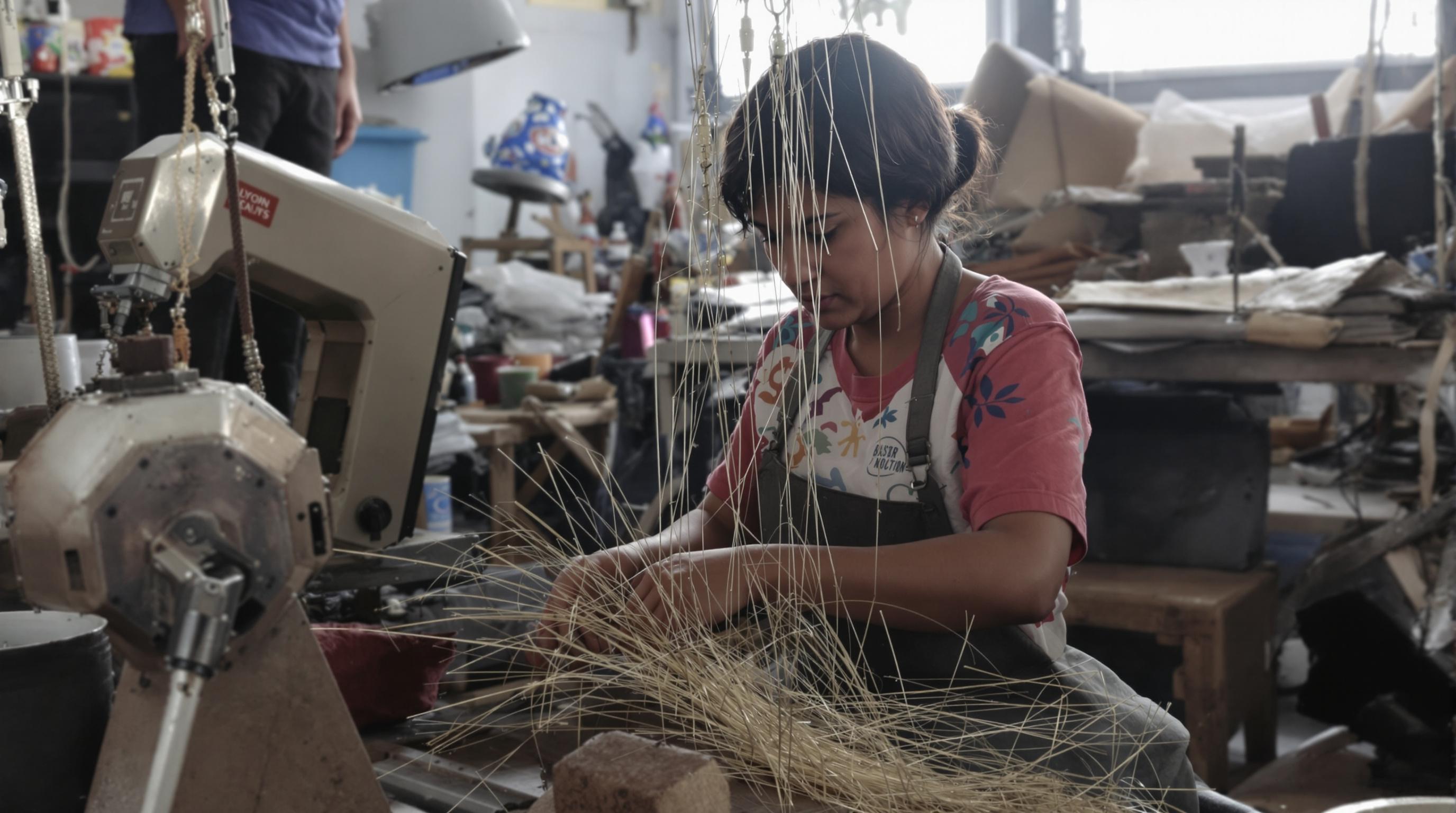
In an age where mass production often overshadows individual creativity, local artisans have emerged as champions of unique innovation. These skilled individuals leverage their traditional crafting techniques and artistic insights to create products that challenge conventional business norms. In recent years, their ingenuity has led to the development of solutions that not only address practical needs but also emphasize sustainability and community engagement.
This article explores seven unorthodox innovations from local artisans, highlighting how they have transcended typical market solutions through distinctive methods and materials. By fostering connections within their communities, these creators are redefining what it means to do business in an increasingly homogenized economy.
From sustainable fashion to innovative kitchenware, the following sections will delve into the diverse range of products and ideas developed by local artisans that serve as alternatives to mainstream offerings.
1. Upcycled Fashion
One of the most striking innovations from local artisans is upcycled fashion. By sourcing discarded clothing and textiles, artisans create entirely new garments that are stylish, unique, and eco-friendly. This practice not only reduces waste but also promotes sustainable consumption patterns in the fashion industry.
Artisans like those from small cooperatives in Senegal demonstrate this innovation by transforming old kanga fabrics into modern streetwear. The result is a blend of traditional and contemporary aesthetics, which also supports local economies and empowers communities.
Moreover, upcycled fashion encourages consumers to rethink their purchasing habits, prioritizing quality and uniqueness over mass-produced options. The rise of social media has amplified the visibility of these artisan initiatives, fostering a dedicated consumer base that values ethical fashion.
2. Handcrafted Kitchenware
Local artisans specializing in handcrafted kitchenware offer an intriguing alternative to machine-made products. Items such as wooden utensils, ceramic dishes, and hand-painted tiles not only serve practical purposes but also enhance the culinary experience. These pieces are often created using traditional techniques passed down through generations.
Artisans from Oaxaca, Mexico, for example, design talavera pottery that is not only visually stunning but also functional. Such kitchenware adds a personal touch to dining experiences and reflects the rich cultural heritage of the region.
By investing in handcrafted kitchenware, consumers are supporting artisans and their practices, helping to ensure that these ancient skills are preserved amidst global manufacturing trends.
3. Natural Skincare Products
As consumers become more conscious of the ingredients in their skincare products, local artisans have responded with natural and organic solutions. By formulating skincare items from locally sourced ingredients, these artisans create products that are not only effective but also environmentally friendly.
Artisans in the Mediterranean region, for instance, use olive oil and other native botanicals to create luxurious skincare lines that embody traditional practices. These products often come with a personal story, connecting the consumer to the source of the ingredients.
This shift towards natural skincare reflects not only a demand for clean beauty products but also a desire to connect with artisans whose craftsmanship and local knowledge provide authenticity in a saturated market.
4. Artisanal Beverages
Local artisans have also ventured into the beverage industry, crafting unique drinks that celebrate local flavors and traditional methods. From small-batch craft beers to specialty coffees and herbal teas, they offer alternatives to mass-produced beverages that often lack authenticity and local character.
In the Appalachian region, for example, artisans are infusing traditional moonshine recipes with local fruits and spices, creating artisanal spirits that tell a story of their origin. Such personalized products appeal to consumers seeking a deeper connection to what they consume.
This vibrant movement highlights how small-scale producers can reimagine traditional beverage-making while catering to growing consumer trends for authenticity and locality in even the most commonplace products.
5. Customized Furniture
In the realm of home decor, local artisans are breaking new ground with customized furniture creations. By using reclaimed wood and sustainable practices, they create pieces that reflect individual tastes and contribute to environmental conservation. This bespoke approach stands in contrast to the often rigid offerings from mass-produced furniture retailers.
Artisans in northern Europe, for example, design customizable modular furniture that can adapt to various living spaces, promoting flexibility in urban settings. This thoughtful design approach not only enhances usability but also reduces the impulse for constant replacement, thereby addressing waste and sustainability in furniture design.
Through customization, artisans empower consumers to select designs that resonate with their styles, fostering a closer relationship between the consumer and their living space.
6. Eco-Friendly Packaging
Local artisans are redefining the concept of packaging through eco-friendly solutions that prioritize sustainability. By utilizing biodegradable materials and innovative designs, artisans are creating packaging that not only protects products but also reduces environmental impact.
For instance, small businesses specializing in handmade soaps have begun offering compostable packaging options, ensuring that the entire product lifecycle is environmentally responsible. This innovation challenges the conventional use of plastic and promotes a circular economy.
As consumers become increasingly aware of the environmental consequences of packaging, artisans are leading the charge to provide responsible alternatives that foster awareness and change in the industry.
7. Artisanal Home Cleaning Supplies
Local artisans are also crafting artisanal home cleaning supplies that utilize non-toxic ingredients and sustainable sourcing practices. These products often come in aesthetically pleasing containers, elevating the mundane aspects of cleaning into an experience that aligns with the values of health and environmental care.
For example, artisans in Canada are producing all-natural cleaning liquids that are both effective and safe for families and pets. These solutions prioritize health and well-being without compromising on cleaning power, challenging conventional chemical-laden alternatives.
This trend signifies a growing consumer desire for transparency and wellness in household products, inviting artisans to innovate in ways that both care for the environment and enrich daily life.
Conclusion
Overall, local artisans are proving that unorthodox innovations can offer profound solutions to conventional business norms. By leveraging unique skills and sustainable practices, these creators are not only producing exceptional products but also fostering community connections and environmental awareness. As we move further into an era characterized by globalization, the work of these artisans is crucial in preserving culture, sustainability, and individuality in the marketplace.
Whether through upcycled fashion, handcrafted kitchenware, or natural skincare products, the innovations from local artisans encourage consumers to embrace originality in their purchasing decisions while supporting ethical practices. In doing so, they challenge the status quo and inspire a future where creativity and responsibility coexist harmoniously.
As we continue to champion these artisans and their unique solutions, we not only enrich our lives but also drive meaningful change in the broader economic landscape.