
Related Articles
- When Ancient Trade Routes Resurface: Unexpected Lessons for Modern Commerce and Global Economic Resilience
- When Artifacts Become Currencies: The Intriguing Trade Between Antiquities and Emerging Markets
- Beyond Borders: Unconventional Partnerships Transforming Trade Strategies in the Age of Globalization
- The Rise of Shadow Economies: How Informal Trade Networks are Disrupting Global Market Structures
- Cryptocurrency and Society: Understanding the Hidden Costs of Digital Assets on Community Well-Being
- The Surprising Role of Cultural Narratives in Shaping Investment Choices and Financial Preferences
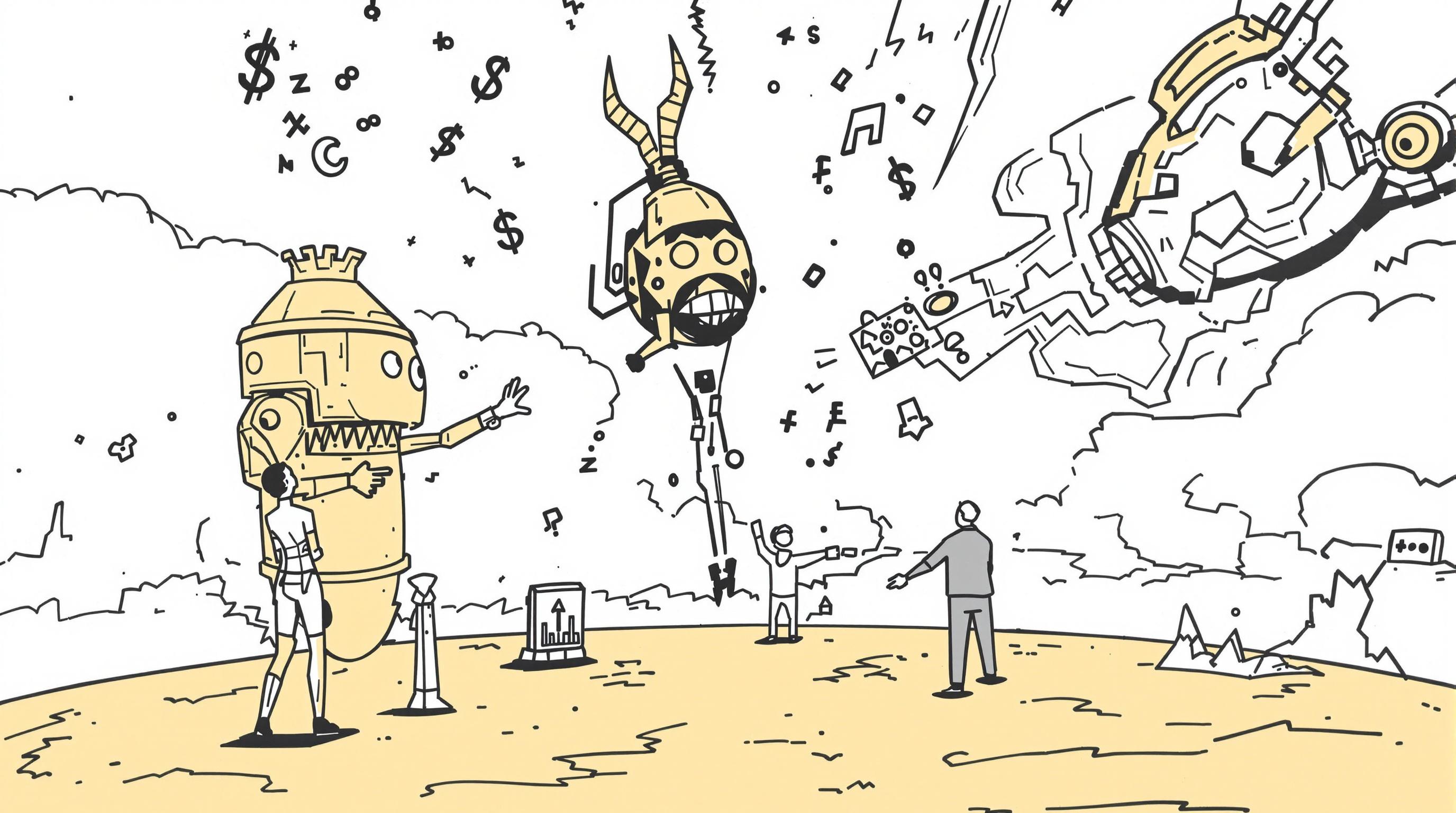
Exploring the Twilight Zone of Corporate Startups: Where Absurd Ideas Become Profit Machines
Exploring the Twilight Zone of Corporate Startups: Where Absurd Ideas Become Profit Machines
Exploring the realm of corporate startups reveals a bizarre yet fascinating landscape where even the most absurd ideas can transform into profitable ventures. This article delves into the quirky world of these innovations, showcasing examples, statistics, and case studies that highlight the unlikely success stories that burgeon in the twilight zone of entrepreneurship.
The Unlikely Success of Absurd Startups
Imagine stepping into a world where unicorns are just as likely to be a toy as they are an actual startup. And yet, such is the paradox of corporate startups today. According to a 2021 report from Startup Genome, the global startup economy is forecasted to be worth over $2.8 trillion, and within this vast ecosystem, absurd ideas often thrive. From bacon-scented products to subscription boxes for artisanal mayonnaise, the weird and wonderful reign supreme.
The Rise of "Weird" Startups
Consider the success story of “Bacon Socks.” What started as a novelty item soon turned into a side-hustle success. Within a year, Bacon Socks jumped from an absurd concept to generating over $1 million in annual revenue. This humorous example shows how quirkiness can attract attention and market share. Bronson Schwartz, the founder, initially crafted a small batch to test the waters, using social media as his marketing platform. The socks went viral, proving that ridiculous ideas could capture the imagination and wallets of consumers.
Statistical Evidence: Absurd Ideas at Work
Data indicates that startups embracing the absurd can lead to substantial financial returns. According to a study published in the Journal of Business Venturing, companies that embrace unconventional ideas boast a 35% higher likelihood of obtaining venture capital funding compared to their more traditional counterparts. Investors are increasingly looking for disruptive, unique concepts that can evoke strong emotional responses from consumers. It turns out embracing the bizarre can lead to funding opportunities.
A Case Study: Pet Rock Revival
In the 1970s, Gary Dahl introduced a product that some deemed the epitome of absurdity—a rock marketed as a pet. The “Pet Rock” became a massive hit, selling over 1.5 million units in just six months. Dahl capitalized on the absurdity of the idea, creating a product that required minimal investment but offered significant returns. The Pet Rock serves as a timeless reminder that the simplest ideas often possess the power to thrive in the business world.
Investors Digging Deep into Absurdity
Investors are often risk-averse, clinging to tried-and-true business models. Yet, the rise of absurd startups has prompted a shift in this perspective. Venture capitalists are willing to gamble on strange ideas, betting that they will stand out in a crowded marketplace. For instance, a startup that produces "invisible" dog fences—essentially just an underground wire—has attracted investment despite its apparent lack of conventional features. Such ventures are ultimately about the storytelling behind the product as much as their functionality.
The Power of Humor in Marketing
Humor can serve as a potent tool for startups, especially those born from absurd concepts. Consider the “Funny Tums” marketing campaign, which uses ridiculous animations and quirky characters to engage audiences. When a startup incorporates humor, it creates a memorable experience, leading to higher customer engagement and brand loyalty. According to a Nielsen report, humorous ads can lead to a 37% higher retention rate for content compared to traditional advertising methods.
The Corporate Culture: Encouraging the Ridiculous
Amidst the daily grind of corporate life, fostering a culture that encourages absurd thinking can propel innovation. Companies like Google and Facebook have famously cultivated environments that reward creative and outlandish ideas. The “20% time” policy at Google allows employees to spend one day a week pursuing their passions, resulting in the birth of remarkable products like Gmail and AdSense. Such policies nurture a kind of fertile ground for startups to emerge, mixing corporate backing with whimsical creativity.
Storytelling: Weaving Absurdity into Brand Identity
Captivating storytelling is another essential aspect of turning absurdity into profit. Brands like Dollar Shave Club disrupted the razors and personal grooming market with a cheeky, relatable narrative. Their marketing video went viral, highlighting the absurdity of overpriced razors while offering a practical solution through low-cost subscriptions. Resulting in over 12,000 new subscribers in the first 48 hours, Dollar Shave Club is a perfect case study in how a distinctive narrative can help launch a startup into the stratosphere.
A Tinge of Philosophy: Why Absurdity Matters
Philosophers like Albert Camus argue that absurdity can ignite passion and redefine meaning. In the context of corporate startups, embracing the absurd could lead to innovative breakthroughs and greater resilience in facing market challenges. Embracing ridiculousness, therefore, becomes more than just a marketing strategy; it evolves into a mindset that drives businesses forward.
The Future: Endless Possibilities in Absurdity
As we navigate the changing landscape of entrepreneurship, the incidence of absurd startups is likely to proliferate. The ongoing advancements in technology and social media are paving the way for increasingly creative ideas to flourish. With platforms like TikTok, absurdity can spread like wildfire, as users embrace and share quirky concepts. The sky is the limit as to what innovations may emerge from this fertile ground—a space where ordinary can become extraordinary.
Conclusion: Embracing the Absurd
In perhaps the most unexpected twist of their own narrative, corporate startups demonstrate that sometimes the silliest ideas can hold significant value. From pet rocks to bacon socks, the twilight zone of entrepreneurial endeavors continues to illustrate that humor, storytelling, and a touch of the absurd can yield lucrative outcomes. The call to action for both investors and startups alike is to embrace the bizarre, as it might just lead to untold fortune and creativity in the corporate landscape.
Read More