Related Articles
- When Ancient Trade Routes Resurface: Unexpected Lessons for Modern Commerce and Global Economic Resilience
- When Artifacts Become Currencies: The Intriguing Trade Between Antiquities and Emerging Markets
- Beyond Borders: Unconventional Partnerships Transforming Trade Strategies in the Age of Globalization
- The Rise of Shadow Economies: How Informal Trade Networks are Disrupting Global Market Structures
- Cryptocurrency and Society: Understanding the Hidden Costs of Digital Assets on Community Well-Being
- The Surprising Role of Cultural Narratives in Shaping Investment Choices and Financial Preferences

The Curious Case of the Forgotten Markets: Unearthing Untapped Potential in Overlooked Industries
The Curious Case of the Forgotten Markets: Unearthing Untapped Potential in Overlooked Industries
The global economy is a labyrinth of missed opportunities, where hidden markets lie waiting to be discovered. By examining overlooked industries, we can unveil untapped potential that promises economic growth and innovation.
The Beauty of the Overlooked
Who would have thought that the world of mycology—yes, the study of fungi—could be a goldmine for investors? As we grapple with environmental issues like climate change and dwindling natural resources, this niche market has surfaced as an unexpected hero. According to a study by Grand View Research, the global mushroom market size was valued at USD 46.7 billion in 2020 and is projected to grow at a compound annual growth rate (CAGR) of 10.2% from 2021 to 2028. It’s not just about those delicious portobellos or shiitakes; the medicinal properties of mushrooms, including their role in boosting immunity and fighting cancer, are gaining traction in both the health and wellness sectors.
From Despair to Prosperity: Case Studies of the Overlooked
Let’s take a stroll down memory lane and visit an overlooked sector: the third-party logistics (3PL) companies that manage the supply chain from the shadows. During the pandemic, when the world came to a standstill, these silent warriors stepped up. A report from Armstrong & Associates shows that the U.S. 3PL market grew from $179 billion in 2019 to a staggering $215 billion in 2021. This performance was driven by increased e-commerce sales and changing consumer behavior. As a result, many companies that had previously underestimated their value have now realized that without 3PL providers, getting goods from point A to point B would have ground to a halt.
Unconventional Markets Anyone?
Let’s examine the quirky world of goat yoga. Yes, you read that right! A simple search can yield locations offering goat-assisted yoga sessions, but it’s more than just a wellness trend—it’s an industry. In 2019, Brightfield Group reported that the legal cannabis market in the U.S. is projected to reach $73.6 billion by 2027. Add goat yoga into that mix, and you have a quirky yet lucrative opportunity. People are desperately seeking unique experiences. Not only does goat yoga create memorable moments, it fosters community bonding, both between humans and —you guessed it—goats!
The Ripple Effect
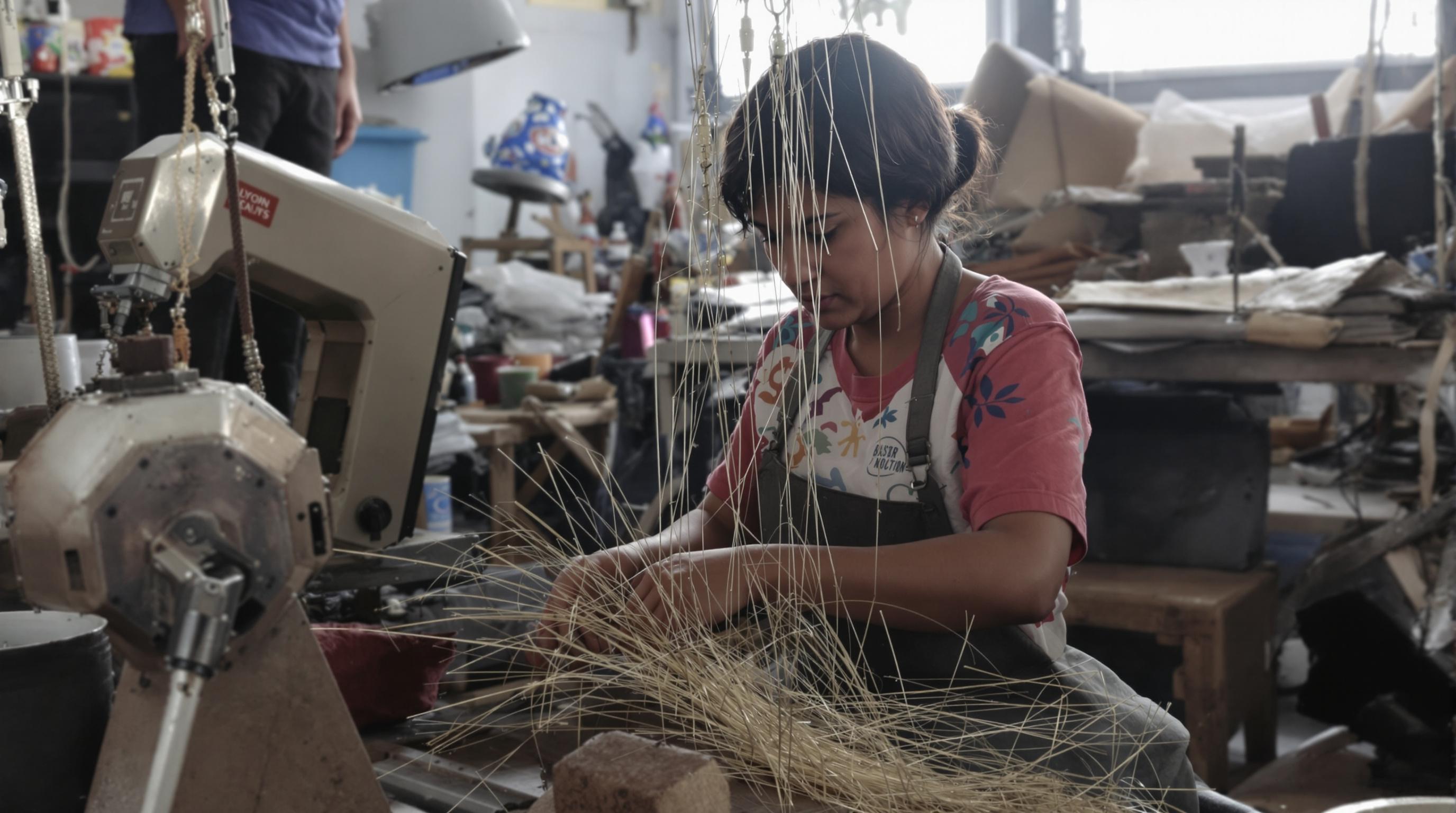
Focusing on forgotten markets also has a cascading effect on job creation and local economies. For example, the artisanal pickle industry is resurrecting traditional preservation methods while providing jobs to small-scale farmers. In the U.S., the pickled vegetable market was valued at $2.96 billion in 2020 and is expected to grow at a CAGR of 5.2% through 2028, providing evidence that consumers are turning to more gourmet, unique food experiences. This counters the mass-produced options found in big-box stores and supports local businesses.
Persuasion Time: Why You Should Invest in Forgotten Markets
Now, if I’ve piqued your interest so far, let me hit you with a few compelling reasons to consider investing in these forgotten markets. First, they usually come with lower competition, allowing for greater market penetration opportunities. Second, many of these industries are still emerging, which means that early adopters stand to benefit significantly from growth potential. Lastly, investing in these markets often aligns with consumer trends focusing on sustainability and ethical practices. Think about it—nobody wants to be stuck in a crowded elevator when there’s an open staircase lying just ahead.
How to Spot an Overlooked Industry
So, how does one begin to identify these hidden gems? Start by looking at societal trends: What are consumers leaning towards or away from? The pandemic kicked off an interest in home gardening and sustainability, paving the way for companies that sell heirloom seeds and eco-friendly gardening tools. Market analysis platforms like Statista provide insights into emerging trends and help paint a clearer picture of where consumer interests are shifting.
Don’t Forget Your Research
“If you can’t measure it, you can’t manage it,” said management guru Peter Drucker. This sentiment holds true when diving into forgotten markets. Utilize platforms like IBISWorld for in-depth industry reports, and keep an eye on news articles and journals to gauge market sentiments. Trade publications can reveal industry-specific events that are less visible in mainstream media. Well-researched decisions lead to informed partnerships and reduce the risk of investments.
Humor: A Light Touch
Let’s be real for a moment: Finding untapped industries might sometimes feel like trying to find a needle in a haystack... while blindfolded… during a rollercoaster ride. You’re going to find yourself asking, “Why did I think this was a good idea?” Remember, however, that even the wildest paths might lead to adventures worth recounting over dinner.
Leveraging Technology in Overlooked Industries
Technology is a catalyst when exploring these potential gold mines. Take telehealth, for instance. During the pandemic, it rocketed in usage, unveiling gaps that had long been ignored in traditional healthcare. According to McKinsey, telehealth utilization stabilized at a range of 38 to 70 times higher than pre-COVID-19 levels. Innovating in this sector could address not only accessibility issues but also enhance patient experiences—gotta love the prospect of visiting your doctor without donning pants!
Stories from the Trenches
Let's dive into a fascinating case study that involves a couple from Oregon, who stumbled upon an unexpected market in their retirement: eco-friendly coffin manufacturing. Flipping through Instagram one day, they noticed a trend toward sustainable funerals. After reading more, they decided to launch their own line of biodegradable coffins, which also allowed them to educate others about eco-conscious living even in death. Within two years, their small startup was grossing six figures, showing us there’s gold in them hills of societal misfits.
Anecdotes that Stick
Speaking of personal stories, I once met a retiree at a local coffee shop who had been trying to sell handcrafted wooden spoons for years. Initially overlooked, their journey took a turn when they began promoting their unique design on Instagram, targeting the sustainability crowd. They found a community of consumers who appreciated artisanal craftsmanship, and soon organic food stores began placing bulk orders. The moral? Never underestimate the power of a platform tailored for niche audiences.
The Importance of Networking
While some may tout “networking is dead,” the truth is that connections still matter; they simply take different forms today. Joining industry-specific forums and social media groups can provide insights into these overlooked markets. You never know—there might be someone in the depths of the Internet quenching your thirst for knowledge. Websites like Meetup can be invaluable for locating niche enthusiasts or industry veterans who are open to sharing their experiences.
It’s a Wrap! Driving Forward into New Frontiers
The adventure of exploring overlooked industries begins with curiosity and a willingness to wander off the beaten path. From eco-friendly coffins to artisanal pickles, every industry has a story waiting to be told. The combination of research, technology, networking, and a sprinkle of humor can create a unique recipe for success. By recognizing the value of these forgotten markets, we can collectively fuel innovation and growth. Let’s not just walk through life; let’s sprint into the forgotten corners and discover the riches that await!
Final Thoughts
To quote Albert Einstein, “In the middle of difficulty lies opportunity.” As we navigate the complex landscape of modern economics, the power of the overlooked market becomes evident. So gear up, you are now armed with knowledge to embark on your own journey to uncharted territories. Let your curiosity guide you, and who knows? You may end up being the next big player in an industry once left in the shadows.
Read More