Related Articles
- When Ancient Trade Routes Resurface: Unexpected Lessons for Modern Commerce and Global Economic Resilience
- When Artifacts Become Currencies: The Intriguing Trade Between Antiquities and Emerging Markets
- Beyond Borders: Unconventional Partnerships Transforming Trade Strategies in the Age of Globalization
- The Rise of Shadow Economies: How Informal Trade Networks are Disrupting Global Market Structures
- Cryptocurrency and Society: Understanding the Hidden Costs of Digital Assets on Community Well-Being
- The Surprising Role of Cultural Narratives in Shaping Investment Choices and Financial Preferences
12 Unconventional Marketing Techniques That Harness the Power of Hyper-Reality to Create Immersive Customer Experiences
12 Unconventional Marketing Techniques That Harness the Power of Hyper-Reality to Create Immersive Customer Experiences
12 Unconventional Marketing Techniques That Harness the Power of Hyper-Reality to Create Immersive Customer Experiences
1. Augmented Reality Ads
Augmented reality (AR) ads allow customers to visualize products in their own environment using their smartphones. Brands like IKEA have pioneered this technique, enabling users to place virtual furniture in their homes before making a purchase. By incorporating AR into marketing campaigns, businesses effectively bridge the gap between digital interactions and physical experiences.
This immersive technology not only enhances customer engagement but also increases conversion rates. According to a study by Retail Perceptions, 71% of consumers would shop more often if they could use AR, showcasing its potential to redefine consumer behavior.
As AR evolves, myriad brands are exploring its usage beyond advertising to create magical experiences that resonate on a personal level, ultimately leading to deeper brand loyalty and emotional connections.
2. Experiential Pop-up Events
Pop-up events have emerged as an unconventional marketing technique, transforming urban spaces into immersive brand experiences. Companies like Glossier and Nike regularly leverage pop-up shops to create buzz and engagement, allowing customers to interact with products in a tactile, memorable way.
These temporary installations immerse visitors in thematic experiences that tell a brand’s story. Through workshops, live demonstrations, and interactive elements, attendees often leave with a stronger connection to the brand, driving both sales and word-of-mouth marketing.
Moreover, pop-up events harness social media’s visual appeal, encouraging visitors to share their experiences online. Brands tap into this user-generated content, further expanding their reach and amplifying their marketing efforts.
3. Interactive Storytelling
Interactive storytelling merges narrative with consumer agency, allowing audiences to choose their own paths. This technique engages customers in a way that traditional ads cannot. Brands, such as Netflix and Coca-Cola, have successfully implemented interactive stories that resonate with their target audiences.
By crafting narratives where customers can influence outcomes, brands create an emotional investment that enhances retention and fosters a sense of ownership over the experience. This deep level of engagement often translates to increased loyalty and brand advocates.
The rise of interactive storytelling is a testament to consumers’ desire for participation, urging marketers to think creatively about how they can invite audiences to be part of their brand’s journey.
4. Virtual Reality Experiences
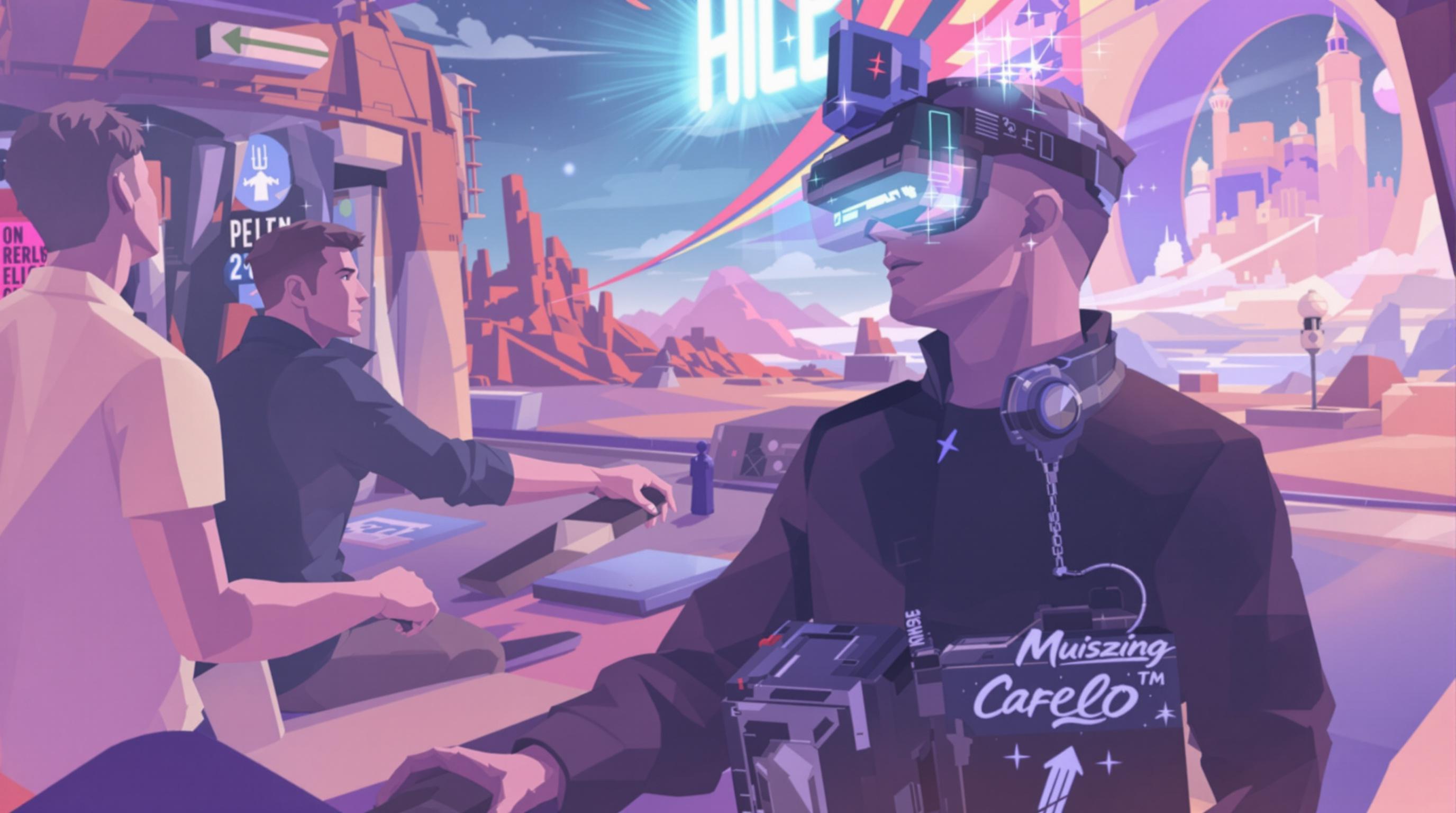
Virtual reality (VR) immerses users in entirely digital environments, making it an invaluable tool for marketers looking to engage customers. Brands like Marriott have utilized VR to create travel experiences that transport viewers to exotic locations, showcasing the immersive potential of the medium.
By offering a fully engaging experience, VR can evoke emotional responses that traditional marketing methods struggle to elicit. This level of immersion has been found to cultivate greater brand perception and allegiance, transforming passive consumers into active participants.
The future of VR in marketing is bright, as technological advancements continue to lower costs and improve accessibility. Businesses willing to embrace this innovation can differentiate themselves in an increasingly crowded marketplace.
5. Gamification
Gamification incorporates game-like elements into marketing strategies to encourage engagement and enhance user experiences. Brands like Starbucks and Duolingo have successfully integrated gamified elements, such as points systems and challenges, to foster customer loyalty and interaction.
This technique draws on consumers’ innate desires for achievement and competition, resulting in increased participation and satisfaction. Studies reveal that gamification can improve customer engagement by up to 100%, making it a compelling strategy for brands looking to cultivate deep relationships with customers.
As consumers seek entertainment and engagement in their interactions with brands, gamification can be an effective approach to create memorable experiences that keep customers coming back for more.
6. Sensory Marketing
Sensory marketing engages multiple senses to create a rich customer experience. Leading companies like Abercrombie & Fitch use scent marketing, while Starbucks excels at auditory experiences with soothing music in-store. Each element is carefully curated to evoke emotions and foster brand loyalty.
By tapping into sight, sound, smell, touch, and taste, brands develop a holistic experience that resonates deeply with consumers. Research indicates that emotions heavily influence purchase decisions, and sensory marketing effectively stimulates those emotions.
As more brands acknowledge the psychological impact of sensory marketing, it promises to shape the future of customer experiences in fundamentally transformative ways.
7. User-Generated Content Campaigns
User-generated content (UGC) campaigns leverage the creativity of customers to foster authentic brand engagement. Companies like GoPro showcase content created by users, presenting real-life experiences that resonate more deeply than traditional advertising.
UGC not only builds community but also establishes trust, as consumers often view peer-created content as more credible than brand-generated material. A report from Nielsen indicates that 92% of consumers trust peer recommendations over traditional advertising.
By harnessing the power of UGC, brands can create immersive environments where customers feel valued and heard, resulting in strengthened brand loyalty and increased sales.
8. Cross-Platform Narratives
Cross-platform narratives extend immersive experiences across various media, creating a cohesive storytelling framework. Brands like Marvel have mastered this technique by using films, comics, and video games to tell complex, interwoven stories that captivate fans.
This multifaceted approach allows customers to engage with a brand on multiple levels and platforms, creating deeper emotional connections. As consumers transition between different forms of media, maintaining consistent narratives is crucial for continued engagement.
With the rise of multi-device usage, brands are increasingly recognizing the importance of crafting immersive, interconnected narratives that enrich customer experiences across platforms.
9. Personalized Marketing
Personalized marketing utilizes data analytics to deliver tailored content and product recommendations to consumers. Brands like Amazon and Netflix excel in this area, customizing the user experience based on previous behaviors and preferences.
The ability to provide unique experiences fosters a sense of exclusivity and connection with customers, significantly enhancing the likelihood of repeat purchases. According to Epsilon, 80% of consumers prefer brands that offer personalized experiences.
As technology continues to evolve, marketers must leverage data intelligence to create hyper-personalized experiences that cater to individual customer preferences, driving higher engagement and loyalty.
10. Social Media Takeovers
Social media takeovers invite influencers or customers to run a brand's social media accounts for a limited time. This technique injects fresh perspectives while allowing audiences to connect with the brand on a more personal level. Brands like Taco Bell regularly employ this strategy to engage their followers in unique ways.
Takeovers often drive higher engagement rates, as they introduce diverse voices that appeal to different segments of the target audience. This technique creates a more dynamic and interactive social media presence, allowing brands to experiment with various tones and content styles.
As social media landscapes evolve, collaborating with influencers and customers through takeovers promises to enhance brand experiences, creating immersive environments that foster genuine connections with audiences.
Read More