
Related Articles
- When Ancient Trade Routes Resurface: Unexpected Lessons for Modern Commerce and Global Economic Resilience
- When Artifacts Become Currencies: The Intriguing Trade Between Antiquities and Emerging Markets
- Beyond Borders: Unconventional Partnerships Transforming Trade Strategies in the Age of Globalization
- The Rise of Shadow Economies: How Informal Trade Networks are Disrupting Global Market Structures
- Cryptocurrency and Society: Understanding the Hidden Costs of Digital Assets on Community Well-Being
- The Surprising Role of Cultural Narratives in Shaping Investment Choices and Financial Preferences
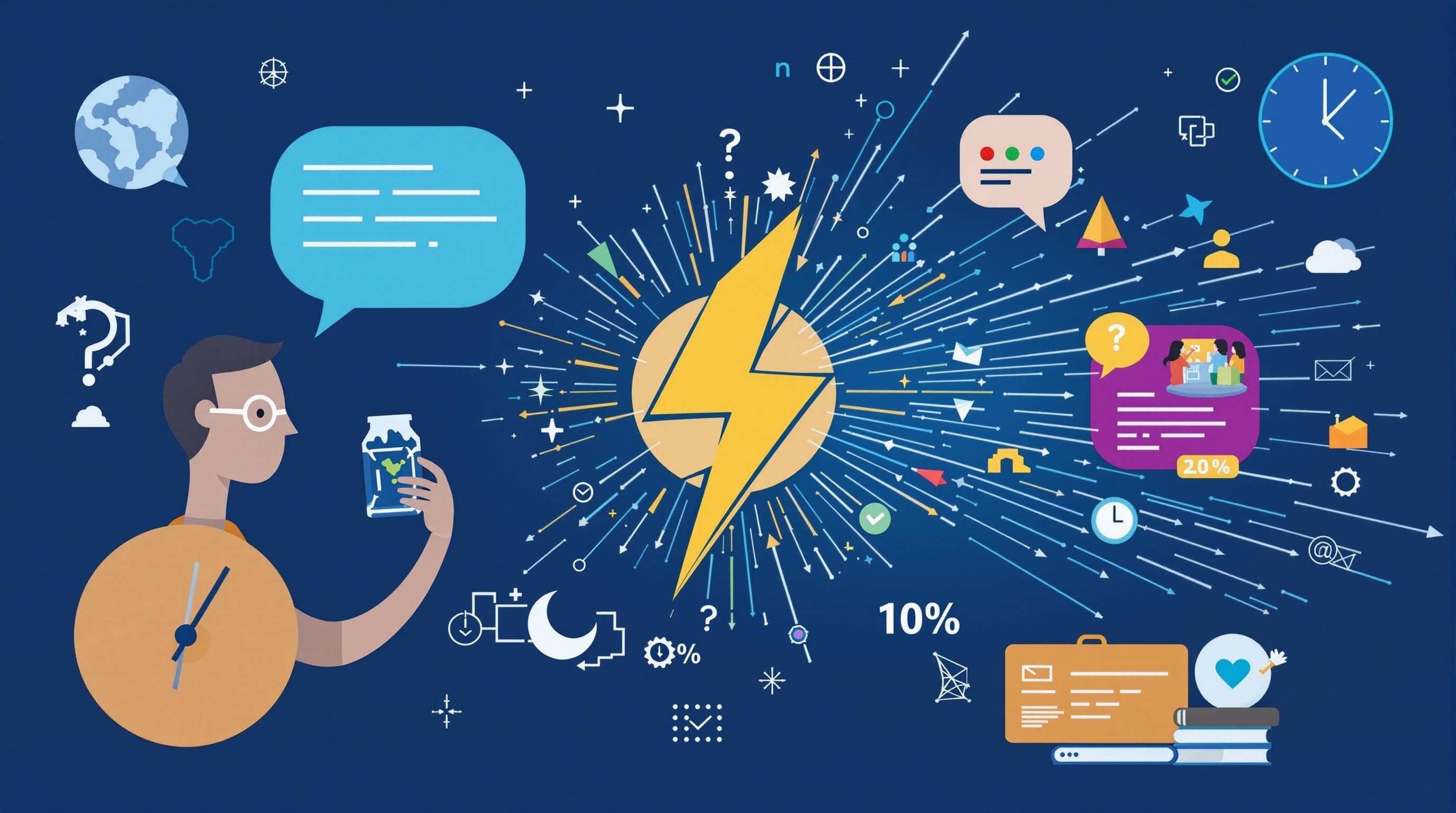
8 Innovative Marketing Techniques That Utilize Cognitive Dissonance to Challenge Consumer Beliefs and Drive Action
8 Innovative Marketing Techniques That Utilize Cognitive Dissonance to Challenge Consumer Beliefs and Drive Action
```html
```
8 Innovative Marketing Techniques That Utilize Cognitive Dissonance to Challenge Consumer Beliefs and Drive Action
Understanding Cognitive Dissonance
Cognitive dissonance is a psychological phenomenon where an individual experiences discomfort when holding two contradictory beliefs, values, or attitudes. This discomfort often motivates individuals to seek harmony, leading them to change their beliefs or adopt new behaviors to resolve the dissonance. In the realm of marketing, this can be a powerful tool for brands aiming to win the hearts and minds of potential customers.
Marketers can leverage this concept by presenting consumers with information that challenges their preexisting beliefs or attitudes about a product or service. By inducing cognitive dissonance, brands can nudge their audience toward reconsideration and desirable actions, such as making a purchase or changing a habit. This technique opens up a dialogue and allows brands to empathetically position themselves to influence consumer behavior.
Understanding the psychology behind cognitive dissonance gives marketers the foundation to create campaigns that resonate deeply with consumers. It motivates brands to develop creative marketing strategies that not only challenge beliefs but also align closely with the evolving values of their target demographics.
1. Counter-Stereotypical Messaging
Counter-stereotypical messaging involves presenting a target audience with information that directly contradicts common stereotypes. For instance, ads featuring women in technology and engineering roles can challenge the stereotype that these fields are primarily for men. By placing consumers in a position where their beliefs are challenged, brands can effectively create cognitive dissonance.
This technique can provoke thought and discussion, compelling consumers to reassess their beliefs and engage with the brand more sincerely. It not only fosters a sense of inclusivity but also aligns the brand with modern values of equality and empowerment. Marketers must ensure that such messaging is authentic and relevant to resonate profoundly with the audience.
A successful example of counter-stereotypical messaging is the "She's Got It" campaign by AT&T, which highlighted women in leadership roles in tech. This initiative not only garnered attention but also contributed to a wider shift in perceptions about gender roles in technology.
2. Ethical Conundrums
Ethical dilemmas force consumers to confront the complexities of their decisions and beliefs. A marketing campaign that presents a moral quandary can uncover inconsistencies in consumer beliefs, prompting them to reflect on their choices. This strategy works particularly well for brands associated with sustainability, health, or social impact.
For instance, brands like TOMS and Patagonia often highlight ethical issues, challenging consumers to consider the consequences of their purchases. By placing advertisements in contexts that raise questions about consumer responsibility, these brands spur cognitive dissonance and motivate individuals to align their purchasing decisions with their values.
This type of marketing can deepen consumer engagement with the brand, transforming simple transactions into alignments with personal values and ethics. When people realize the importance of their choices, they are often driven to change their behavior to resolve the dissonance they experience.
3. Fear Appeals
Utilizing fear as a motivator, brands can create campaigns that showcase potential negative outcomes linked to certain behaviors. This technique is common in public health campaigns, where individuals are confronted with the risks of smoking, unhealthy eating, or sedentary lifestyles. The fear of negative repercussions can lead consumers to reconsider attitudes and make healthier choices.
However, for fear appeals to be effective, marketers must balance the message with clear, actionable solutions. Providing guidance on how to avoid these negative outcomes helps alleviate dissonance, transitioning from fear to empowerment. For instance, a weight-loss program that emphasizes not just the risks of obesity but also offers a clear path to health can resonate with consumers wrestling with their beliefs about diet and exercise.
Brands like truth® have successfully employed fear-based messaging in anti-smoking campaigns, effectively prompting reconsideration of personal behaviors while empowering viewers with facts and solutions.
4. Reframing Success
Reframing success involves redefining what success looks like in the context of a particular market or ideology. Instead of adhering to conventional standards, brands challenge consumers to visualize a broader, more inclusive definition of accomplishment. This approach often induces cognitive dissonance among individuals who feel compelled to rethink their aspirations.
By delivering messages that encourage consumers to see their potential beyond societal norms, brands foster a greater sense of belonging and empowerment. For example, Nike’s "Dream Crazy" campaign featured athletes overcoming adversity, urging consumers to redefine their own concepts of success.
Such campaigns can have a powerful emotional impact, encouraging customers to align their personal beliefs with the brand’s message, thus triggering action that addresses the dissonance they experience between their current beliefs and the brand's new narrative.
5. Scarcity and Urgency
Creating a sense of scarcity involves marketing limited-time offers or exclusive products. Urgency can generate cognitive dissonance as consumers grapple between their desire for a product and the fear of missing out. By enforcing the idea that a product is in short supply, brands tap into the innate human psychology that motivates action when faced with a potential loss.
This technique is effectively used by brands such as Booking.com, which highlights how many other people are viewing certain accommodations, emphasizing the limited availability of options. Such messages push consumers to act quickly, often altering their previous beliefs about the necessity of contemplation before making a purchase.
In this context, the dissonance arises from the conflict between the desire for informed decision-making and the pressure to act swiftly, ultimately driving purchases and engagement.
6. Testimonials and Social Proof
Leveraging testimonials and social proof can effectively challenge consumer beliefs, as individuals often rely on the experiences of others to inform their decisions. By showcasing satisfied customers who represent a diverse cross-section of society, brands can induce dissonance in potential buyers who may question their preconceived notions about a product or service.
For example, beauty brands that feature real customers instead of professional models tap into the challenge of belief—consumers begin to consider whether traditional notions of beauty align with their own experiences. This can inspire a shift in perception about what products can truly do for them.
The effectiveness of this technique lies in the relatability of testimonials and endorsements, urging potential customers to embrace a new viewpoint that compels them to experiment with the product themselves.
7. Product Comparisons
Product comparisons that highlight the strengths of one product over another can induce cognitive dissonance. By bringing attention to features that contradict consumers’ beliefs about competition, brands push potential buyers to reassess their loyalty and preferences.
Apple, for instance, effectively uses this approach by contrasting its products with Windows-based systems or Android devices, emphasizing user experience and ecosystem integration that resonate with their audience's values. This not only sparks curiosity but also prompts reflection on previous preferences.
Through direct comparison, brands can trigger discomfort with existing beliefs, encouraging consumers to make a cognitive leap toward the alternative that aligns more closely with their needs and aspirations.
8. Storytelling and Relatable Narratives
Storytelling is an art form that can connect deeply with an audience, drawing them into a narrative that challenges their beliefs. When consumers see characters in relatable scenarios grappling with dilemmas similar to their own, cognitive dissonance can emerge, prompting reflection on their beliefs and choices.
Brands that harness storytelling to weave messages of growth, challenge, and transformation inspire audiences to consider their personal journeys. For instance, Coca-Cola's "Share a Coke" campaign told stories of connection, emphasizing that sharing happiness is a universal theme.
Through storytelling, brands not only promote their products but also encourage introspection and a reevaluation of existing beliefs, spurring action as consumers align with the broader messages of community, joy, and connection.
Read More