Related Articles
- When Ancient Trade Routes Resurface: Unexpected Lessons for Modern Commerce and Global Economic Resilience
- When Artifacts Become Currencies: The Intriguing Trade Between Antiquities and Emerging Markets
- Beyond Borders: Unconventional Partnerships Transforming Trade Strategies in the Age of Globalization
- The Rise of Shadow Economies: How Informal Trade Networks are Disrupting Global Market Structures
- Cryptocurrency and Society: Understanding the Hidden Costs of Digital Assets on Community Well-Being
- The Surprising Role of Cultural Narratives in Shaping Investment Choices and Financial Preferences
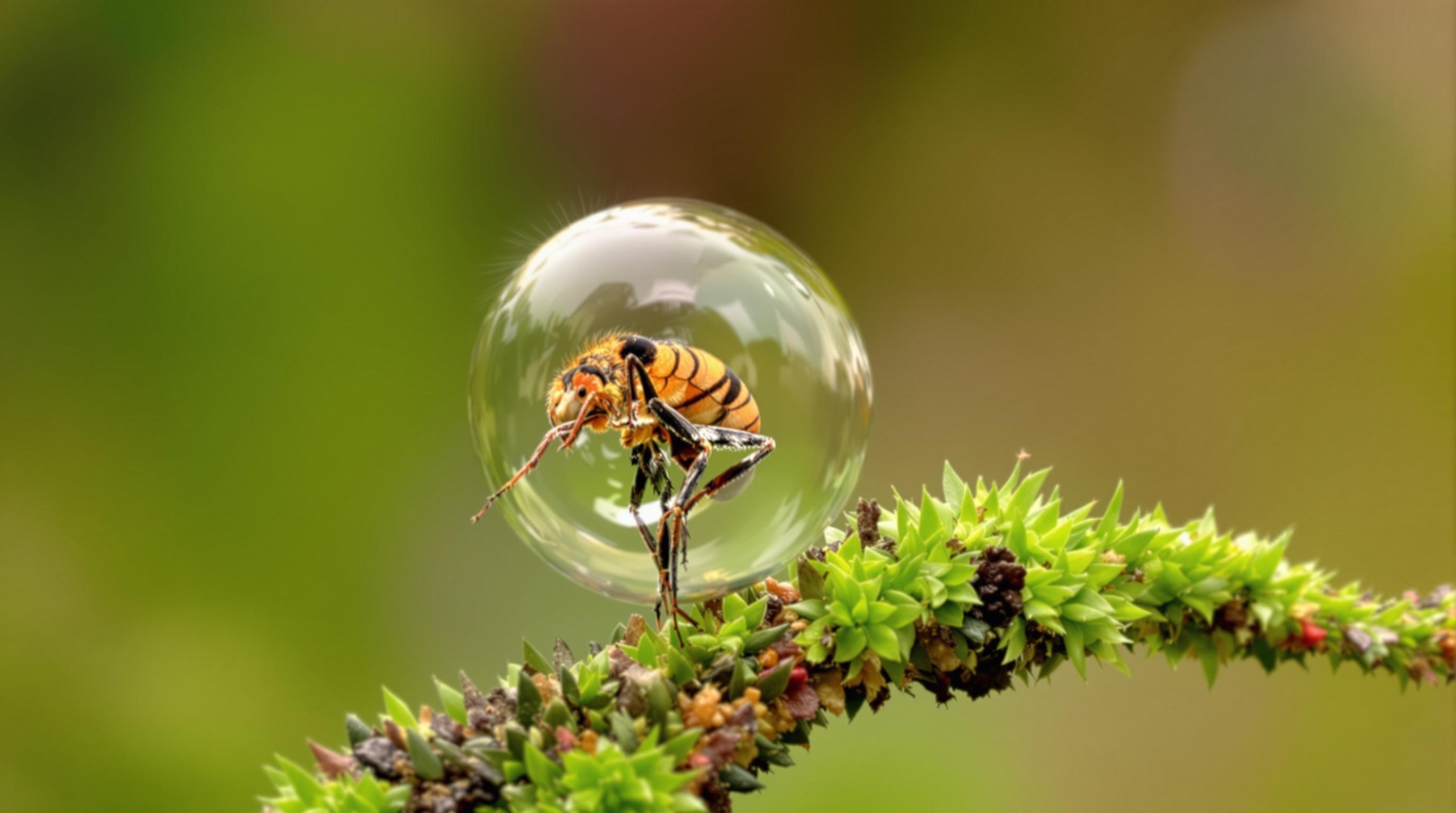
15 Surprising Business Innovations Inspired by Nature: Harnessing the Power of Biomimicry for Next-Level Growth
15 Surprising Business Innovations Inspired by Nature: Harnessing the Power of Biomimicry for Next-Level Growth
15 Surprising Business Innovations Inspired by Nature: Harnessing the Power of Biomimicry for Next-Level Growth
Introduction to Biomimicry
Biomimicry, the practice of emulating nature's time-tested patterns and strategies, has catalyzed a myriad of innovative solutions in the business world. This methodology encourages entrepreneurs and organizations to observe nature’s designs and processes to solve human challenges effectively. Often, the solutions natural systems have developed over billions of years can be more efficient than human-created innovations.
Nature operates through principles that emphasize sustainability, efficiency, and adaptability, qualities which are indispensable in today's business landscape. By studying organisms and ecosystems, companies can discover insights that promote growth, resilience, and innovation. From intricate webs spun by spiders to the structural integrity of termite mounds, nature holds a treasure trove of ideas waiting to be harnessed.
The trend is growing, as industries reflect on how to incorporate these inspirations into their products and processes. Consequently, numerous innovative designs and technologies are emerging, paving the way for next-level growth across various sectors.
1. Velcro: Inspired by Burdock Burrs
The invention of Velcro stems from the characteristics of burdock burrs, which cling to animal fur. Swiss engineer George de Mestral was struck by this natural phenomenon after a walk in the woods in 1941. He studied the burrs under a microscope and replicated their hook-and-loop fastening system, leading to a popular product that transformed the fashion and textile industries.
Velcro's functionality mirrors the efficiency seen in nature; its design is straightforward yet profoundly effective. This innovation highlights how a keen observation of the natural world can culminate in a practical solution that simplifies many daily tasks.
Today, Velcro has transcended its initial purpose, being utilized in various fields ranging from aerospace to medicine, proving the versatility and expansive potential of nature-inspired designs.
2. Shark Skin: Battling Bacteria
The unique texture of shark skin, known as dermal denticles, has sparked innovation in the medical and marine industries. Researchers discovered that the microscopic patterns inhibit the growth of bacteria, making it an ideal model for developing surfaces that prevent biofouling, particularly in maritime applications.
Inspired by these properties, healthcare products and hospital surfaces are being designed to mirror shark skin. Such innovations reduce the risk of infections, showcasing how borrowing from nature can lead to groundbreaking advancements in hygiene and public health.
This biomimetic approach not only addresses a critical issue at hand but also promotes a deeper understanding of ecological balance and the significance of maintaining health in both natural and artificial environments.
3. Lotus Effect: Water-Repellent Surfaces
The remarkable water-repellent properties of lotus leaves have inspired advancements in coatings and textiles—a phenomenon known as the "Lotus Effect." The micro and nano-structures on the leaves minimize water adhesion, allowing dirt and debris to wash away effortlessly with rain.
Businesses have utilized this natural principle to develop self-cleaning surfaces, from household products to automotive applications. By mimicking the lotus leaf, they create surfaces that are not only more efficient and durable but also reduce the need for harsh cleaning chemicals.
This innovation illustrates how nature’s designs can lead to practical and environmentally friendly solutions, reflecting a robust trend toward sustainability in product development.
4. Termite Mounds: Natural Air Conditioning
Termites build mounds that maintain a constant internal temperature, despite external fluctuations. The architecture of these mounds, with its intricate tunnels and towers, inspires sustainable building design today. The Eastgate Centre in Zimbabwe, for example, uses principles derived from termite mounds to regulate temperature naturally, negating the need for traditional air conditioning.
This innovative approach greatly reduces energy consumption, demonstrating a model for environmental stewardship that architecture and design industries are increasingly embracing. Architects are recognizing that integrating nature’s designs can lead to more sustainable living environments.
The termite mound's efficiency showcases the inherent wisdom in nature’s engineering and how businesses can mirror these attributes to create energy-efficient buildings that coexist harmoniously with their surroundings.
5. Whale Fin: Enhancing Aerodynamics
The unique shape of whale fins, particularly the humpback whale, has revolutionized various fields, including aerospace and automotive engineering. The bumps, or tubercles, on the leading edge of the fin enable enhanced lift and maneuverability, defying conventional fluid dynamics understanding.
Incorporating this biomimetic design has led to aircraft wings and wind turbine blades with improved performance, as they utilize the principles discovered in nature for greater efficiency and reduced drag. This reimagination of design principles exemplifies how cross-disciplinary applications can yield superior results.
By studying these magnificent creatures, industries are essentially unlocking the secrets of nature that can elevate their technologies and drive higher productivity levels, showcasing a profound interconnection between the animal kingdom and human innovation.
6. Ant Colony: Optimized Logistics
The organizational patterns of ant colonies inspire innovative logistics and organizational strategies in business. Ants demonstrate remarkable efficiency in transportation and resource management, adapting to challenges in their environment through sophisticated social structures.
Implementing algorithms based on ant behavior has led companies to optimize supply chains and delivery systems. This approach harnesses the power of collective intelligence and decentralized decision-making, yielding enhanced efficiency and adaptability in operations.
Business practices that embrace these insights from nature not only improve efficiency but also promote a collaborative culture that echoes the highly synchronized activities observed in ant colonies. This concept signifies a burgeoning recognition of nature as a source of business wisdom.
7. Spider Silk: Ultra-Strong Materials
Spider silk is an extraordinary material with exceptional tensile strength and elasticity, inspiring innovations in materials science. Researchers are investigating ways to synthesize this silk to create stronger, lighter materials for diverse applications, from medical sutures to high-performance clothing.
Companies are tapping into the potential of spider silk to develop products that are both durable and environmentally friendly, promoting sustainability in material sourcing. This biomimetic strategy encapsulates a pressing need to create resilient materials while reducing ecological impact.
Moreover, the journey to replicate spider silk demonstrates the intersection of biotechnology and material science, highlighting how the exploration of nature's creations leads to transformative innovations across industries.
8. Gecko Feet: Adhesive Technologies
Geckos possess a unique ability to scale walls and ceilings, thanks to the microscopic hairs on their feet that create van der Waals forces. Researchers have studied these properties to develop advanced adhesive products that work effectively without a sticky residue.
This technology has substantial implications across various sectors, including construction, manufacturing, and consumer goods. Geckos provide an example of how natural designs can lead to products that are innovative yet simple, breaking traditional barriers in adhesive performance.
The evolution of adhesives inspired by gecko feet exemplifies a fundamental shift toward more efficient, reusable solutions, fostering a culture of innovation that prioritizes practicality alongside ecological sensitivity.
9. Leaf Venation: Efficient Energy Capture
The complex network of veins in leaves serves a purpose far beyond aesthetics; it optimizes the capture of sunlight for photosynthesis. By studying these natural patterns, researchers are designing solar panels that more effectively harness solar energy by mimicking leaf structures.
This innovation signifies a remarkable shift in renewable energy technologies, as companies redirect their focus to sustainable methods that draw from nature’s efficiency. The potential enhancements in solar cell designs could revolutionize energy consumption in the long run.
The application of leaf venation concepts underscores the importance of integrating biological principles into engineering, emphasizing how environmental appreciation can yield significant advancements in the energy sector.
10. Biosystems: Circular Economy Models
Nature has perfected its circular economy, where waste from one organism becomes a resource for another. This principle inspires businesses to develop sustainable practices that minimize waste and promote recycling. Companies are now modeling their operations based on love for eco-systems, leading to a more responsible business ethos.
By emulating nature’s closed-loop systems, businesses can reduce their carbon footprints and enhance resource efficiency. This biomimetic shift encourages a rethinking of production cycles, driving innovations that align profitability with planetary health.
Emphasizing circular modes of operation allows companies to contribute positively to environmental conservation while tapping into new markets driven by sustainability. This paradigm showcases how drawing from nature can lead to creative solutions that protect ecosystems while fostering economic viability.
Conclusion
The integration of nature-inspired designs through biomimicry not only fosters innovation but also encourages a more sustainable and thoughtful approach to business practices. By learning from the environment’s time-tested strategies, companies stand to benefit from the efficiencies and efficiencies nature provides.
As industries continue to explore and adapt these unique innovations, the synergy between natural systems and human creativity will become increasingly vital. Biomimicry not only signifies the potential for next-level growth but reinforces the idea that the greatest teacher can be the world around us.
By harnessing the power of nature's genius, future business leaders can ignite a revolution that stands to benefit both the economy and the planet.
Read More