Related Articles
- When Ancient Trade Routes Resurface: Unexpected Lessons for Modern Commerce and Global Economic Resilience
- When Artifacts Become Currencies: The Intriguing Trade Between Antiquities and Emerging Markets
- Beyond Borders: Unconventional Partnerships Transforming Trade Strategies in the Age of Globalization
- The Rise of Shadow Economies: How Informal Trade Networks are Disrupting Global Market Structures
- Cryptocurrency and Society: Understanding the Hidden Costs of Digital Assets on Community Well-Being
- The Surprising Role of Cultural Narratives in Shaping Investment Choices and Financial Preferences

7 Disruptive Innovations from the Underground: Unveiling Hidden Forces Reshaping Industries Beyond the Mainstream
7 Disruptive Innovations from the Underground: Unveiling Hidden Forces Reshaping Industries Beyond the Mainstream
```html
```
7 Disruptive Innovations from the Underground: Unveiling Hidden Forces Reshaping Industries Beyond the Mainstream
1. Cryptocurrencies: Decentralized Finance Revolution
The advent of cryptocurrencies like Bitcoin and Ethereum has sparked a financial revolution, challenging traditional banking systems. Originating from underground forums and early tech enthusiasts, these digital currencies have gained traction as alternatives to government-issued money.
Decentralized finance (DeFi) platforms enable users to lend, borrow, and trade assets without intermediaries, expanding access to financial services globally. This transformation is particularly significant in developing countries, where banking infrastructure is limited.
As cryptocurrencies continue to evolve, regulatory bodies are grappling with how to integrate them into existing frameworks, showcasing the tension between innovation and regulation. The potential for disruptive change remains high, as these technologies redefine the concept of value.
2. DIY Biohacking: Personal Biology Meets Technology
Biohacking communities have emerged, empowering individuals to take control of their biology through affordable technology and community experimentation. From self-administered medical testing to genetic modifications, DIY biohacking symbolizes a shift from traditional healthcare paradigms.
This movement has led to the rise of biohacker spaces and workshops, where individuals share knowledge on human enhancement and health optimization. Techniques such as CRISPR gene editing have reached enthusiasts, enabling modifications previously limited to professional laboratories.
Statistics show that the biohacking community is expanding rapidly, further normalizing the idea of personal biological experimentation. However, ethical considerations and potential health risks remain pertinent discussions within the community.
3. Glass Recycling Innovations: Transforming Waste into Opportunity
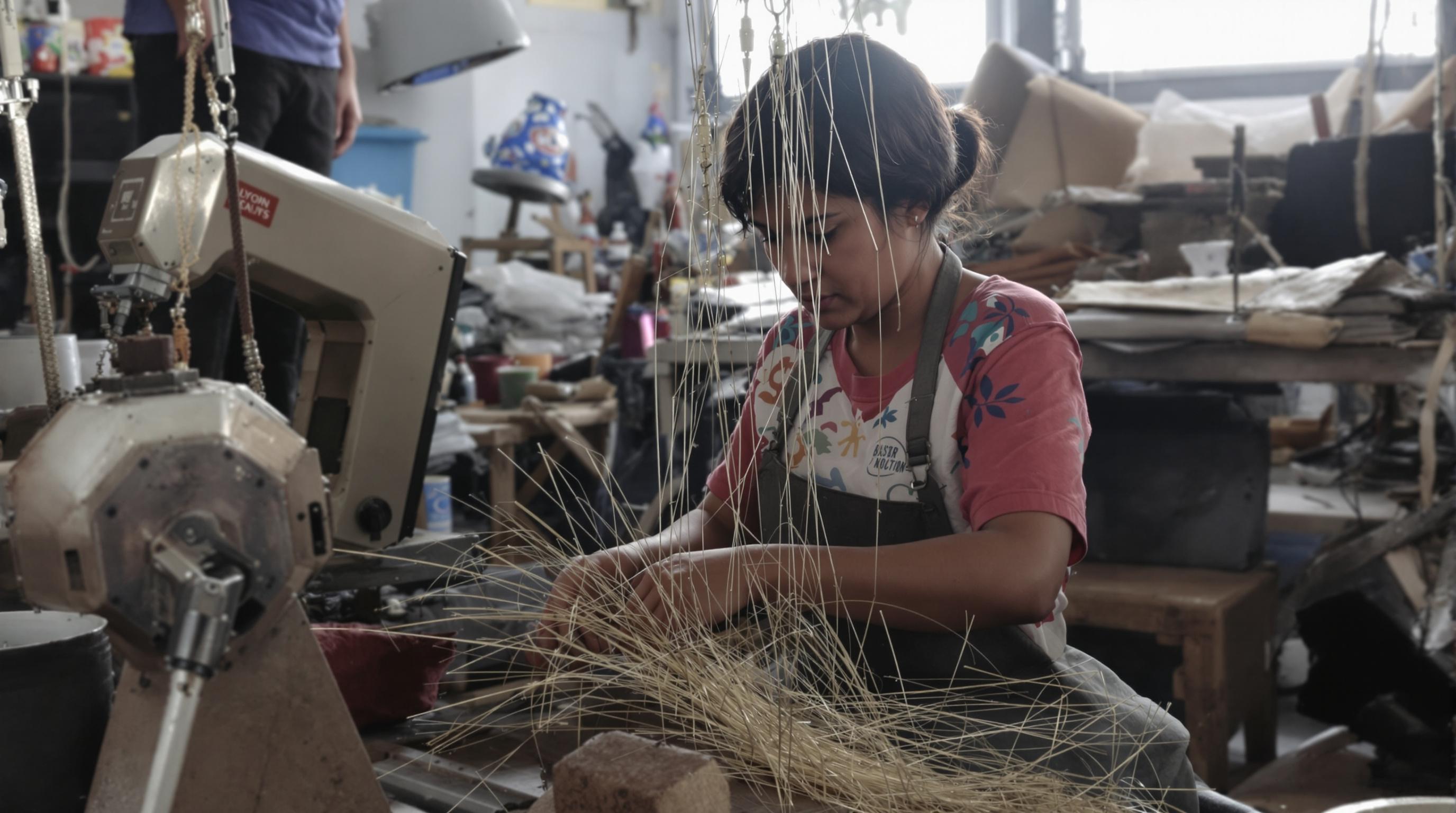
Underground innovators have sought sustainable solutions to address the global glass waste crisis. Traditional recycling methods often fail to efficiently process glass, leading to considerable environmental impacts. New approaches focus on reducing traditional recycling waste through innovative techniques.
Startups are emerging with technologies that transform glass fibers into sustainable building materials or even artistic products, minimizing landfill accumulation. This initiative not only enhances sustainability but also propels local economies by fostering new industries.
As these disruptors gain recognition, more collaborations are forming between the recycling sector and industries around decorative art and architecture, presenting opportunities to foster eco-conscious innovation amidst traditional waste management challenges.
4. Alternative Protein Sources: The Rise of Lab-Grown Meat
With increasing concerns about the environmental impact of livestock farming, underground entrepreneurs are pioneering lab-grown meat. Utilizing cellular agriculture, these innovators are cultivating animal proteins without the ethical dilemmas associated with conventional meat production.
This technology enables mass production of meat alternatives, significantly reducing greenhouse gas emissions while addressing food security concerns. Alternative sources such as plant-based proteins and insect farming are also gaining traction, providing sustainable nutrition options.
As consumer attitudes shift towards plant-based and lab-grown alternatives, traditional meat industries are being pressured to adapt or risk obsolescence. This evolution marks a profound shift in how societies approach food production and consumption.
5. Localized Energy Grids: The Rise of Independent Power Systems
Underground movements advocating for energy independence have led to the creation of localized energy grids, diminishing reliance on centralized power systems. These microgrids utilize renewable energy sources to provide communities with sustainable electricity.
Technologies such as solar panels, wind turbines, and energy storage systems are integrated into residential areas, enabling energy self-sufficiency. This independence is particularly beneficial in remote areas that often lack access to reliable infrastructure.
As more communities adopt these microgrid solutions, the implications for energy policies and investor behaviors are changing, prompting a significant shift in how energy is produced and consumed.
6. Underground Fashion: Sustainability Through Upcycling
In response to fast fashion's damaging environmental impact, underground fashion movements are promoting upcycling and sustainable production methods. Designers and consumers are increasingly prioritizing ethical considerations over mainstream trends, resulting in unique, statement pieces.
Workshops and online platforms have emerged, emphasizing skills in reworking old garments into fashionable attire. This revolution is fostering a culture of creativity and sustainability, encouraging people to think critically about consumption and waste.
With the rising popularity of second-hand markets and DIY fashion culture, the emphasis on sustainable fashion is challenging traditional retail models to adapt to more eco-conscious practices.
7. Shadow Economy: The Gig and Freelance Revolution
The rise of the gig economy has redefined labor dynamics, often originating from underground networks. Freelancing platforms and informal labor markets are allowing individuals to pursue non-traditional career paths, providing opportunities that bypass conventional employment structures.
This economic shift fosters creativity and allows workers to capitalize on their unique skills, offering services ranging from graphic design to ride-sharing. Though it empowers many, the gig economy also raises questions about job security and workers' rights.
As digital platforms continue to evolve, the impact on traditional job markets is undeniable, urging companies and policymakers to rethink employment strategies in an increasingly flexible work landscape.
Read More