Related Articles
- When Ancient Trade Routes Resurface: Unexpected Lessons for Modern Commerce and Global Economic Resilience
- When Artifacts Become Currencies: The Intriguing Trade Between Antiquities and Emerging Markets
- Beyond Borders: Unconventional Partnerships Transforming Trade Strategies in the Age of Globalization
- The Rise of Shadow Economies: How Informal Trade Networks are Disrupting Global Market Structures
- Cryptocurrency and Society: Understanding the Hidden Costs of Digital Assets on Community Well-Being
- The Surprising Role of Cultural Narratives in Shaping Investment Choices and Financial Preferences
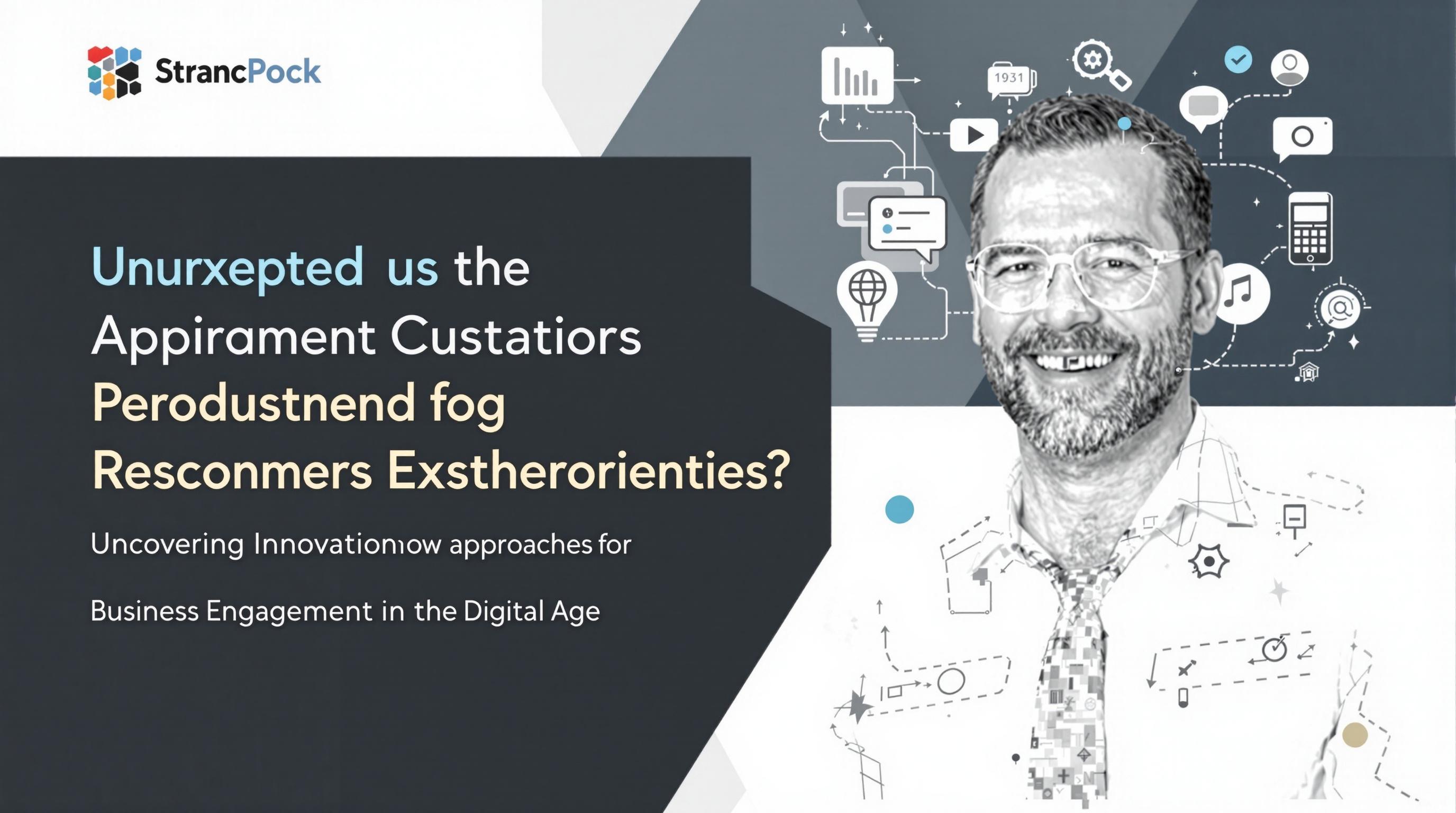
8 Unexpected Innovations Reshaping Customer Experience: Uncovering Novel Approaches for Business Engagement in the Digital Age
8 Unexpected Innovations Reshaping Customer Experience: Uncovering Novel Approaches for Business Engagement in the Digital Age
8 Unexpected Innovations Reshaping Customer Experience
In today's fast-paced digital age, businesses are constantly seeking innovative ways to enhance customer experience. Consumer expectations are evolving rapidly, driven by technological advancements and changing lifestyles. As we explore the landscape of customer engagement, we uncover eight unexpected innovations that are making significant waves in how businesses interact with their customers.
These innovations not only serve to improve satisfaction but also foster loyalty and engagement. As we delve into these trends, we will see how they can be strategically implemented for maximum impact. Each section will highlight a unique approach that is reshaping customer experience in unexpected ways.
From utilizing AI to personalize interactions to leveraging virtual reality to create immersive shopping experiences, the innovations on this list manifest the endless possibilities for businesses willing to adapt and evolve. Let's take a closer look.
1. AI-Powered Chatbots
Artificial intelligence has come a long way and is now an integral part of customer service. Chatbots, powered by AI, can handle a plethora of inquiries without human intervention, providing immediate responses to customers around the clock. This is particularly beneficial in sectors like e-commerce where quick customer responses can drive sales.
The use of machine learning algorithms allows these chatbots to learn from customer interactions, thus enhancing their ability to provide relevant and personalized responses. Brands like Sephora and H&M are already employing AI-based chatbots that can suggest products based on previous purchases and preferences, drastically improving the overall shopping experience.
Furthermore, as AI continues to evolve, the capability of chatbots will expand, enabling them to handle more complex inquiries and even recognize customer emotions. This level of personalization is set to become the new standard in customer service.
2. Augmented Reality Shopping
Augmented reality (AR) is revolutionizing how customers shop by blending the physical and digital worlds. Retailers are using AR technologies to allow customers to visualize products in their own environments before making a purchase. For instance, IKEA's app lets customers see how furniture would look in their homes, enhancing buyer confidence.
This immersive experience not only improves customer engagement but also reduces the chances of returns, as consumers are better informed about their purchases. The ability to see products interactively can be a game changer for industries such as fashion, where fitting and sizing often lead to hesitation.
As AR technology becomes more accessible, we can expect an increase in its implementation across various sectors, providing customers with engaging experiences that can guide them through their decision-making processes.
3. Personalized Marketing Through Data Analytics
Data analytics is reshaping how businesses approach marketing by allowing for unprecedented levels of personalization. By leveraging big data, companies can track customer behavior and preferences, subsequently tailoring their marketing strategies to deliver relevant content. Netflix, for example, creates customized recommendations based on viewing habits.
This type of targeted marketing not only increases engagement but also fosters a sense of connection between the brand and the customer. When consumers feel like brands understand their needs, it enhances loyalty and encourages repeat business.
Moreover, with the rise of AI and machine learning, data analytics continues to evolve, promising even more sophisticated personalization techniques in the future, ultimately leading to a more enjoyable customer experience.
4. Subscription-Based Business Models
Subscription services have gained traction across various industries, redefining traditional sales models. By adopting a subscription framework, businesses can create ongoing relationships with customers rather than one-time transactions. Companies like Dollar Shave Club and Spotify have successfully leveraged this model.
Subscriptions enhance customer experience by offering convenience, value, and personalization. For instance, users receive products or services tailored to their preferences without needing to actively make purchases repeatedly, ultimately simplifying their decision-making process.
This steady stream of revenue and consistent engagement allows businesses to gather more data about customer habits and preferences, further enhancing their ability to improve the services offered.
5. Virtual Reality Experiences
Virtual reality (VR) is emerging as a powerful tool for enhancing customer experiences, particularly in sectors like real estate, travel, and retail. By harnessing VR, brands allow customers to engage with products and services in fully immersive environments. For example, real estate companies are offering virtual home tours that allow prospective buyers to explore properties without leaving their homes.
This not only saves time but also provides a more informed decision-making process for customers. VR experiences can elevate customer engagement for travel companies by simulating exotic destinations, creating excitement and anticipation before the actual trip.
As VR technology becomes more mainstream and cost-effective, we can expect to see an increase in its adoption, providing customers with unforgettable experiences that deepen their connection with brands.
6. Voice Search and Smart Assistants
The rise of voice search is reshaping customer interactions significantly. With the proliferation of smart speakers and AI assistants like Amazon's Alexa and Google Assistant, customers are increasingly opting for voice commands over typing. This trend simplifies the search process and can enhance convenience for users by facilitating quick information retrieval.
Businesses must adapt to this shift by optimizing their content for voice search, ensuring that customers can easily find them. Brands that have done this effectively see an uptick in traffic and customer engagement, as convenience becomes a key factor in the purchasing process.
As voice technology continues to improve and integrate into more aspects of daily life, its role in customer engagement will only grow, further compelling businesses to refine their strategies in adapting to this change.
7. Blockchain for Enhanced Transparency
Blockchain technology is not only limited to cryptocurrencies; it holds tremendous potential for improving customer experience through enhanced transparency. Industries like food supply chain management are beginning to use blockchain to enable consumers to trace the origin of their products. This establishes trust, especially in sectors where authenticity is crucial.
By offering full visibility into the production process, businesses can reassure customers of the safety and ethical standards of their products, leading to increased brand loyalty. Companies like IBM are leveraging blockchain to create transparent supply chains that benefit both consumers and producers.
As consumers become more aware of issues like sustainability and ethical sourcing, blockchain can serve as a tool to align with these values, improving customer relationships and driving positive business outcomes.
8. Social Commerce Integration
The blending of social media and e-commerce, known as social commerce, is changing the landscape of online shopping. Platforms like Facebook, Instagram, and TikTok are facilitating shopping experiences embedded within their environments, allowing users to purchase products directly from social apps without navigating away.
This seamless integration enhances customer experience by streamlining the process and meeting consumers where they already spend their time. Brands making good use of social commerce not only increase visibility but can also engage with users in more dynamic ways, such as through influencer partnerships.
As social media continues to evolve, businesses that embrace social commerce will be at the forefront of engaging customers effectively, taking advantage of the intrinsic social environments to drive sales.
In conclusion, these eight unexpected innovations are reshaping customer experience in unprecedented ways. Businesses willing to integrate these approaches will not only improve customer satisfaction but will also position themselves for future success in a rapidly changing digital landscape.
Read More